
Unique Things to Do in the Smoky Mountains and Essential Tips
The Great Smoky Mountains National Park, USA, is one of those places where you don’t really need a reason to visit — you just go! This ancient wonder of the world will transport you back in time, with its plethora of unique things to do that make Smoky Mountains a truly special destination. As a city girl, a visit here has not only been memorable but has also secured the Smokies a spot on my “Return” list.
When I was in Chicago, I spent several days at the Great Smoky Mountains National Park, TN, and neighbouring Gatlinburg along with Pigeon Forge and Cherokee, a few years ago. I first wrote this post in February, 2020, and it has been updated several times since. With this latest version of unique things to do in the Smoky Mountains, I can share up-to-date information and helpful tips so you can plan your visit with confidence.
In this post, you’ll find the very best and unique things to do in this ancient wonder along with useful tips about the entrances to Smoky Mountains, best time to visit, hiking and safety tips. A Smoky Mountain National Park map is included also. This post has everything you need to know about this ancient wonder. Keep reading for my tips about the unique activities in the Great Smoky Mountains National Park.
Planning a few days in the Smoky Mountains? Find your perfect home away from home with VRBO

Smoky Mountains National Park: A Timeless Journey Through a Unique Time Capsule
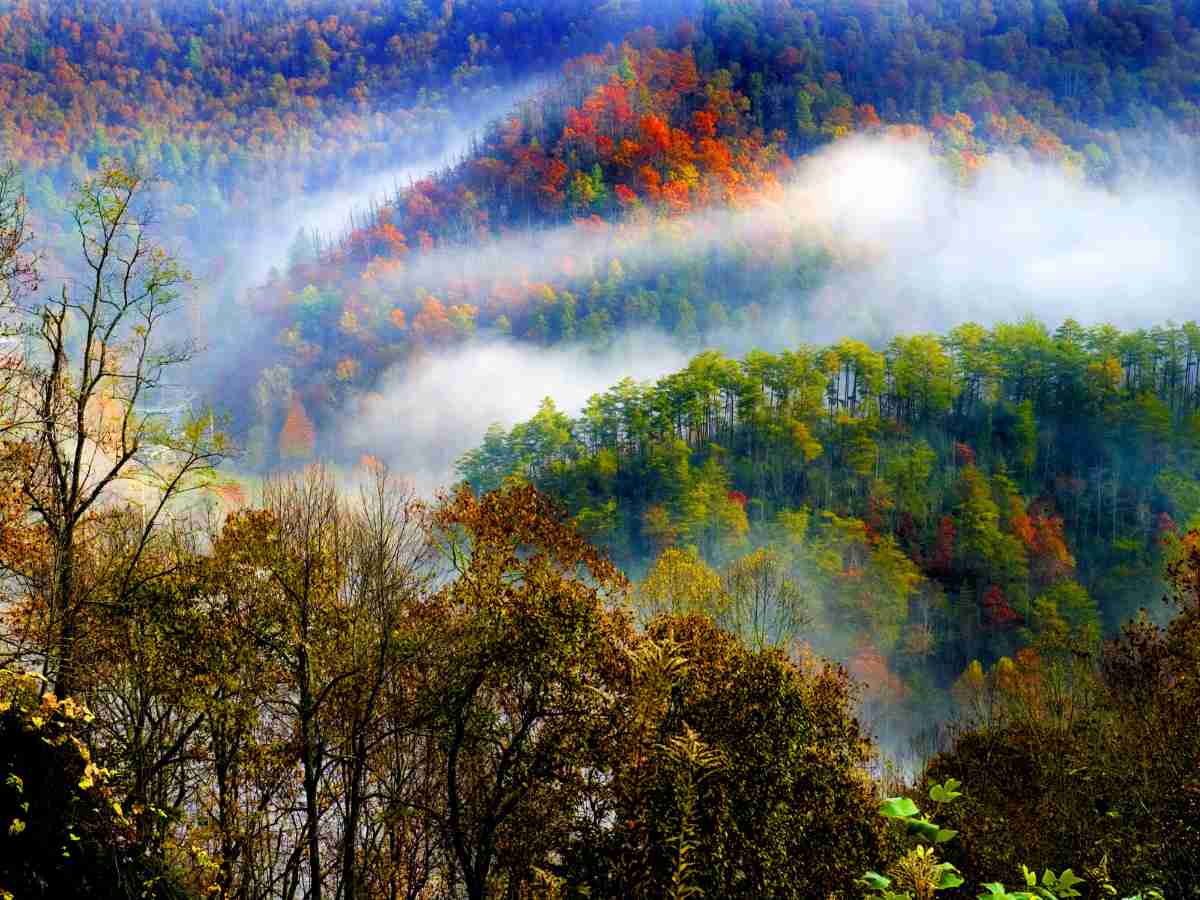
No words can accurately describe the Great Smoky Mountains National Park, nor can any photos do it justice! Known for its ever-present morning fog, which gives the Smokies their name, this park offers a unique blend of natural beauty, tranquil woods, and abundant wildlife.
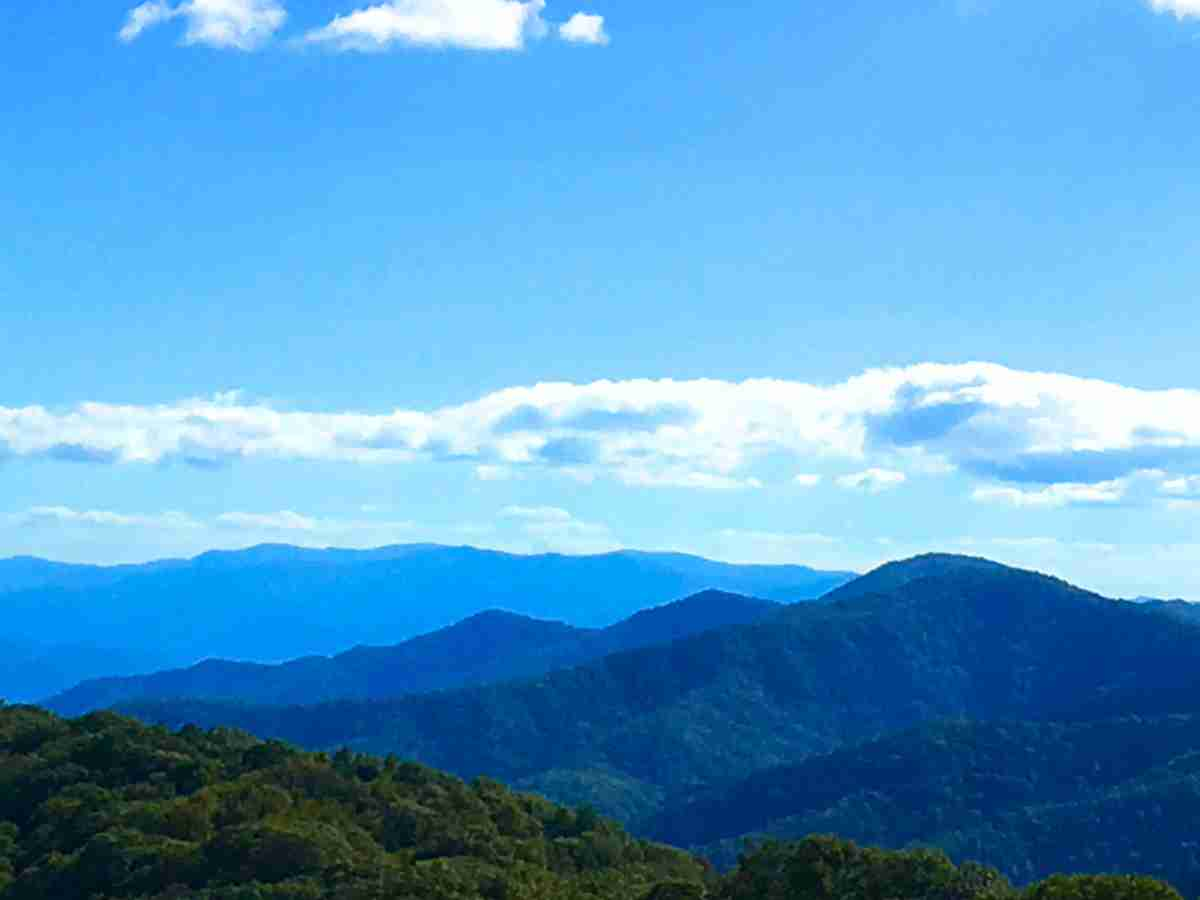
As you ascend, the mountains reveal their beauty with ridge upon ridge of endless forest stretching into the horizon. The way the mountains criss-cross in the distance and blend seamlessly into the blue sky creates a picturesque scene that feels almost otherworldly—one of the most breathtaking sights I’ve ever witnessed. The tranquillity within these mountains is one that must be experienced first-hand as it is an experience to be felt and treasured.
This timeless landscape, beautifully described by President Franklin D. Roosevelt, remains a living testament to nature’s enduring power:
“There are trees here that stood before our forefathers ever came to this continent; there are brooks that still run as clear as on the day the first pioneer cupped his hand and drank from them.”
Established in 1934, the Smoky Mountains attract over 200,000 visitors annually. The park remains one of the most visited in America, preserving a landscape that feels frozen in time, offering a glimpse into the 1800s where nature’s rhythms continue to sculpt the scenery, making each visit a journey through a world untouched by time.
You can use the official map below to take a closer look and get a better idea of all park roads, visitor centers, picnic areas, and campgrounds in the Smoky National Park. Download here.
Entrance to Smoky Mountains National Park
The Great Smoky Mountains National Park has several key entrances that offer access to different areas of the park, each with its own unique appeal:
Sugarlands Entrance (Gatlinburg, Tennessee): The most popular and busiest entrance, located near Gatlinburg. It provides quick access to key sites like the Sugarlands Visitor Center, Clingmans Dome, and Newfound Gap.
Oconaluftee Entrance (Cherokee, North Carolina): Situated on the southern side, near Cherokee, this entrance offers access to the Oconaluftee Visitor Center, Mountain Farm Museum, and the Blue Ridge Parkway.
Townsend Entrance (Townsend, Tennessee): Known as the “Peaceful Side of the Smokies,” this quieter entrance leads to Cades Cove, a prime spot for wildlife viewing and exploring historic buildings.
Cosby Entrance (Cosby, Tennessee): Located in the northeastern part of the park, this less crowded entrance provides access to the Cosby Campground and several hiking trails.
Foothills Parkway Entrances: The Foothills Parkway offers scenic drives with entrances near Townsend and Walland, Tennessee. It’s a popular route for those seeking breathtaking views of the Smoky Mountains, especially during the fall foliage season.
17+ Unique Things to Do in the Smoky Mountains, TN
The Great Smoky Mountains National Park is an adventurer’s paradise, offering a wide array of activities that showcase the park’s stunning natural beauty, rich history, and diverse wildlife. Here’s my selection of unique things to do for that once-in-a-lifetime experience in the Smoky Mountains!
1. Witness the Synchronized Fireflies in Elkmont, TN
This rare natural event occurs annually from late May to early June in the Elkmont area of the Great Smoky Mountains National Park, where thousands of fireflies synchronize their flashing patterns in a mesmerizing display. The event is best observed just after sunset.
Elkmont, near Gatlinburg, Tennessee, provides the ideal forest setting for viewing, with the peak season typically lasting about two to three weeks. Due to its popularity, access is managed through a lottery system for parking, ensuring a controlled and pleasant experience.
Tips: Enter the lottery for a parking pass early. Bring a red-filtered flashlight to navigate the dark and avoid disturbing the fireflies.
Location: Elkmont, near Gatlinburg, TN (Postcode: 37738)
2. Explore Cades Cove by Bicycle or Car to See Black Bears
This 11-mile loop is famous for its rich wildlife, including black bears and deer, and historic structures like churches and cabins. Early morning or late afternoon visits are ideal for wildlife sightings.
The Smokies are home to approximately 1500 black bears. Although I did not see a black bear during my trip, the chances of seeing a bear is said to be highly likely in Cades Cove, situated on the western side of the park, and in Cataloochee Valley, on the park’s east side.
The best months to see black bears are in spring and summer. The best times are in the early morning and at dusk, when they come rummaging through trash cans for food.
Exploring Cades Cove may take between two and five hours, including hiking some trails. Remember to take water and snacks along to enjoy a break at one of the picnic areas.
Take a look at this official map of Cades Cove for information and get this audio guide to explore Cades Cove and the Smoky Mountains as you journey around the Cove.
Federal Law Requirements: The bears live throughout the Park and federal law requires all visitors to properly store their food in the trunk of their vehicles and place all rubbish and food scraps in bear-proof trash cans.
Tips: Visit on Wednesdays from May to September when the loop is closed to motor vehicles, making it perfect for cycling.
Location: Cades Cove Loop Road, near Townsend, TN (Postcode: 37882).
3. Drive or Hike the Roaring Fork Motor Nature Trail
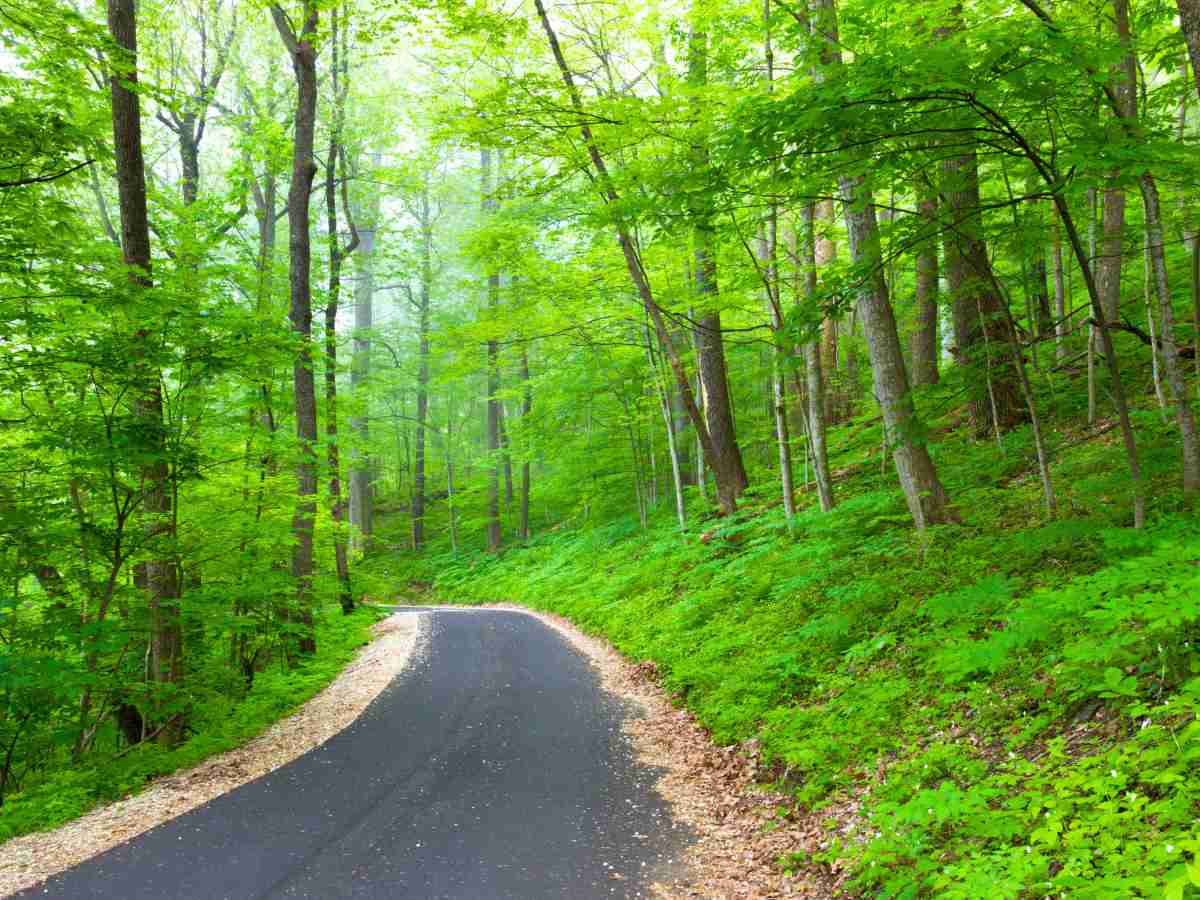
The Roaring Fork Motor Nature Trail is an 8-mile one-way scenic drive. When connected with Cherokee Orchard Road, the entire loop forms an 11-mile route.
This scenic drive along a single lane road winds through dense forests, alongside streams, and past historic log cabins. Key spots include Rainbow Falls and Grotto Falls, where you can hike to enjoy the serene beauty that makes this one of the unique activities to do in the Great Smoky Mountains National Park.
A favoured side trip for frequent visitors to the Smokies, the 8-mile stretch typically takes about an hour and a half if you make stops to take photos. You should add another hour if you plan to visit the historic buildings along the way. For the most complete unique experience of Roaring Fork, plan half a day with this jeep activity where you discover the woodlands and water features on this trail.
If you’re exploring independently, you’ll want to begin your journey on the Roaring Fork by turning off the main parkway in Gatlinburg, TN, at traffic light #8, and follow the Historic Nature Trail Road to the Cherokee Orchard entrance of the national park.
Just past the Rainbow Falls trailhead, you’ll find the entrance to the one-way Roaring Fork Motor Nature Trail. However, this access point is closed during the winter months.
The Roaring Fork Motor Nature Trail is free to enter and serves as a gateway to Grotto Falls for hikers.
You can drive further to the designated parking area for Grotto Falls. Here, you’ll find the only restroom facility along the Roaring Fork route until its end.
Tips: The road is narrow, so drive slowly and be prepared for sharp turns. Large vehicles and RVs are not suitable for this trail. Pets are not allowed on this trail.
Location: Roaring Fork Motor Nature Trail, Gatlinburg, TN (Postcode: 37738).
4. Noah “Bud” Ogle Self-Guiding Nature Trail
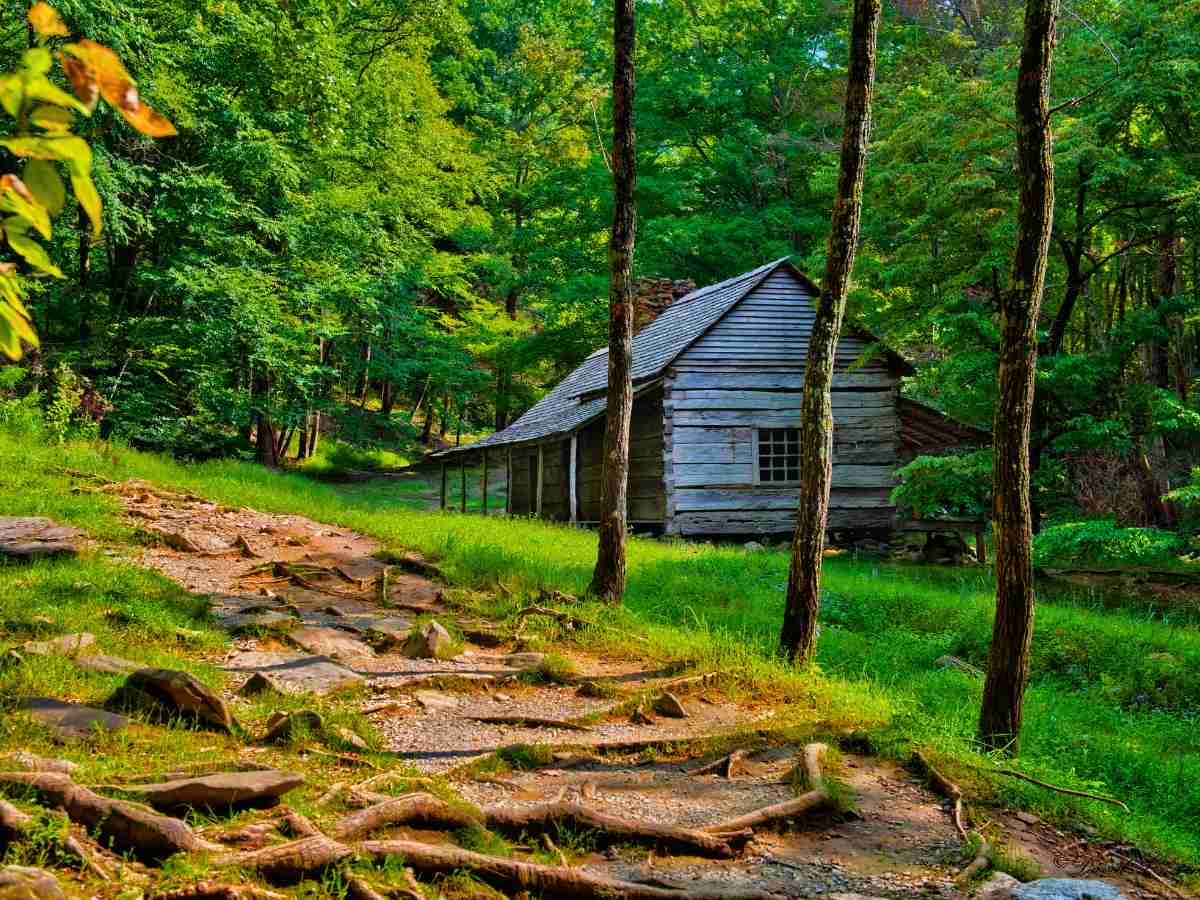
Before beginning the Roaring Fork Motor Nature Trail, explore the Noah “Bud” Ogle self-guiding nature trail. This short and easy walk, approximately 0.7 mile long along a well-marked trail in the midst of hardwood forest takes about 15 to 20 minutes to complete. The trail offers a glimpse into an authentic mountain farmstead, complete with a stream-side tub mill and the Ogle family’s handcrafted wooden flume plumbing system.
Just past the Ogle farmstead, you’ll find the trailhead for Rainbow Falls, one of the park’s most beloved waterfalls. The 5.4-mile round trip hike to the falls is moderately strenuous, so be sure to wear sturdy shoes and bring plenty of water and snacks.
5. Visit Clingmans Dome — The Highest Point
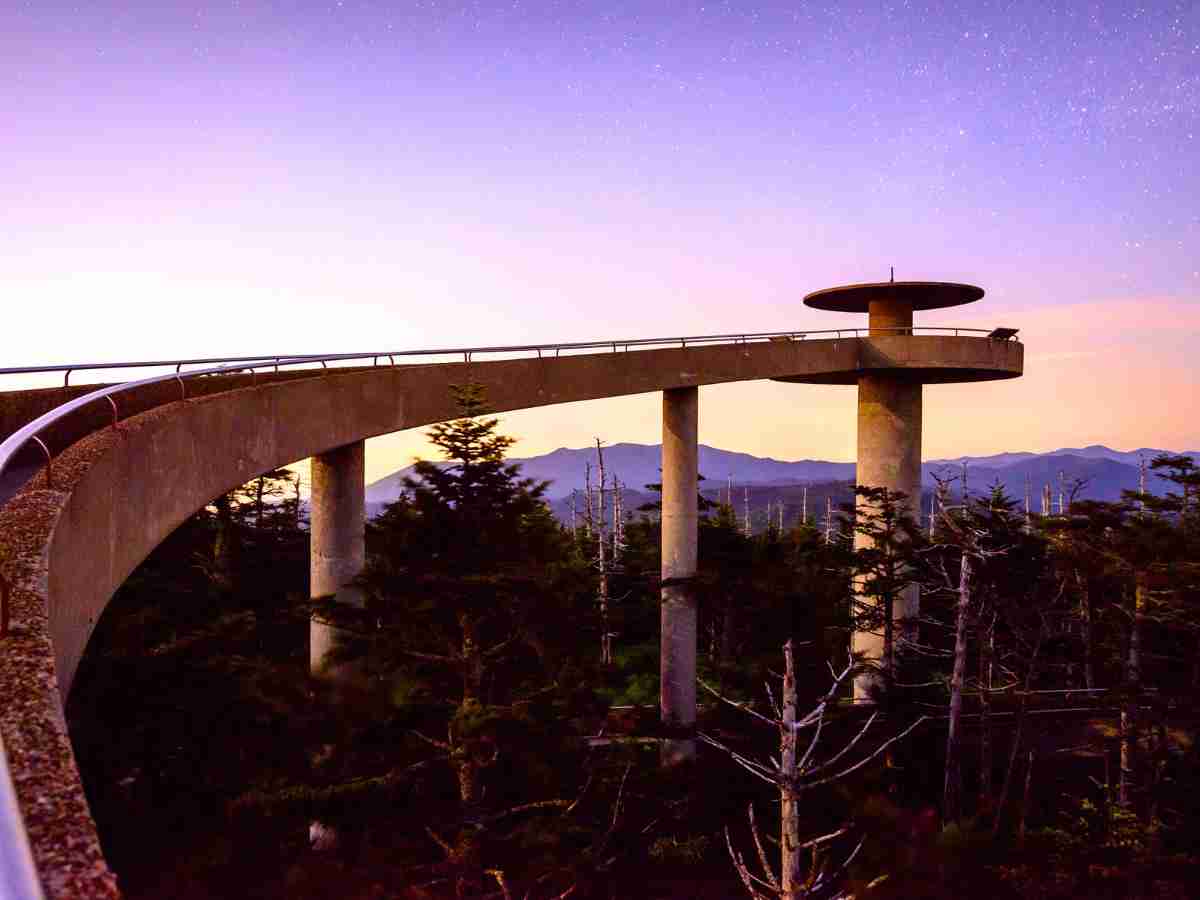
Clingmans Dome offers a unique experience in the Smoky Mountains as it stands at 6,643 feet (2024 m), the highest point in the Smokies. Sitting on the border between North Carolina and Tennessee, Clingmans Dome also holds the distinction of being the highest peak in Tennessee and the third highest peak east of the Mississippi River.
Clingmans Dome Road is a 7-mile (11.26 km) drive from Newfound Gap Road (US 441) to the observation tower and parking area. Take a look at this map on how to reach this site. You’ll turn off Newfound Gap Road 0.1 mile south of Newfound Gap, and follow Clingmans Dome Road to the large parking lot at the end. If you are coming from Cherokee, take US-19 through Maggie Valley, then turn onto US-441 North and follow it into the park.
You can reach the Clingmans Dome Observation Tower via a paved path that starts at the parking lot. Once here, you are greeted by panoramic views that are especially stunning at sunrise or sunset, making it one of the unique things to do in Smoky Mountains for those seeking breathtaking, elevated perspectives.
Alternatively, take the Clingmans Dome Bypass Trail, which begins at the Forney Ridge Trailhead and connects to the Appalachian Trail. This short trail allows you to bypass the Clingmans Dome observation tower if you prefer, offering a quieter, high-elevation experience away from the often crowded areas of the park.
The Clingmans Dome Bypass Trail offers a direct route for those looking to continue along the Appalachian Trail without making the climb to the tower. This route is relatively easy and is approximately 0.5 miles (0.8 km) long. The trail typically takes around 45 minutes to complete.
The trail is popular for walking and running, so expect to encounter other visitors, especially during peak times. The best months to hike the Clingmans Dome Bypass Trail are between April and November.
Tips: Dress in layers as temperatures can be cooler at the summit. The trail is steep, so take your time if needed.
Location: Clingmans Dome Road, near Cherokee, NC (Postcode: 28719).
6. Whitewater Rafting on the Pigeon River
When exploring unique things to do in the Smoky Mountains, white water rafting on the Pigeon River stands out as a must-try experience. The river, nestled near the Great Smoky Mountains, offers both challenging rapids and calm stretches, catering to all levels of rafters. This makes it one of the best activities in the Great Smoky Mountains National Park for those seeking adventure.
The Pigeon River is divided into two distinct sections: the Upper and Lower Pigeon River, each offering a unique rafting experience. For a relaxed and family-friendly outing, the Lower Pigeon River Scenic Float Trip is ideal. This section features Class I and II rapids, making it perfect for families with younger children or anyone seeking a leisurely float amidst the breathtaking mountain scenery.
On the other hand, if you’re an adrenaline junkie, the Upper Pigeon River delivers with a mix of Class III and IV rapids. This section is renowned for its heart-pounding action, featuring intense waves and narrow passages that provide a thrilling challenge. It’s an ideal choice for thrill-seekers looking to test their skills on the water.
While I’m not into water rafting, I know it’s a popular activity for many adventurers. If you are interested, several reputable outfitters in Hartford, offer guided trips through both sections of the Pigeon River. These tours are designed to ensure safety while maximizing the fun, with experienced guides leading you through the rapids.
You may prefer packages that include other adrenaline-packed activities, such as zip-lining and hiking, if you don’t have much time, allowing you to experience the natural beauty and excitement of the region in one activity.
Tips: Wear appropriate safety gear. The river conditions can change, so it’s essential to choose the right trip based on your experience level.

Location: Pigeon River, Hartford, TN (Postcode: 37753)
7. Discover Historic Cabins in the Smokies
The Smokies is home to over 90 historic buildings, including log cabins, barns, and churches, particularly in Cades Cove and Roaring Fork. These structures offer a glimpse into the lives of the early settlers in the Smoky Mountains, with each site providing a unique story and location within the Great Smoky Mountains.
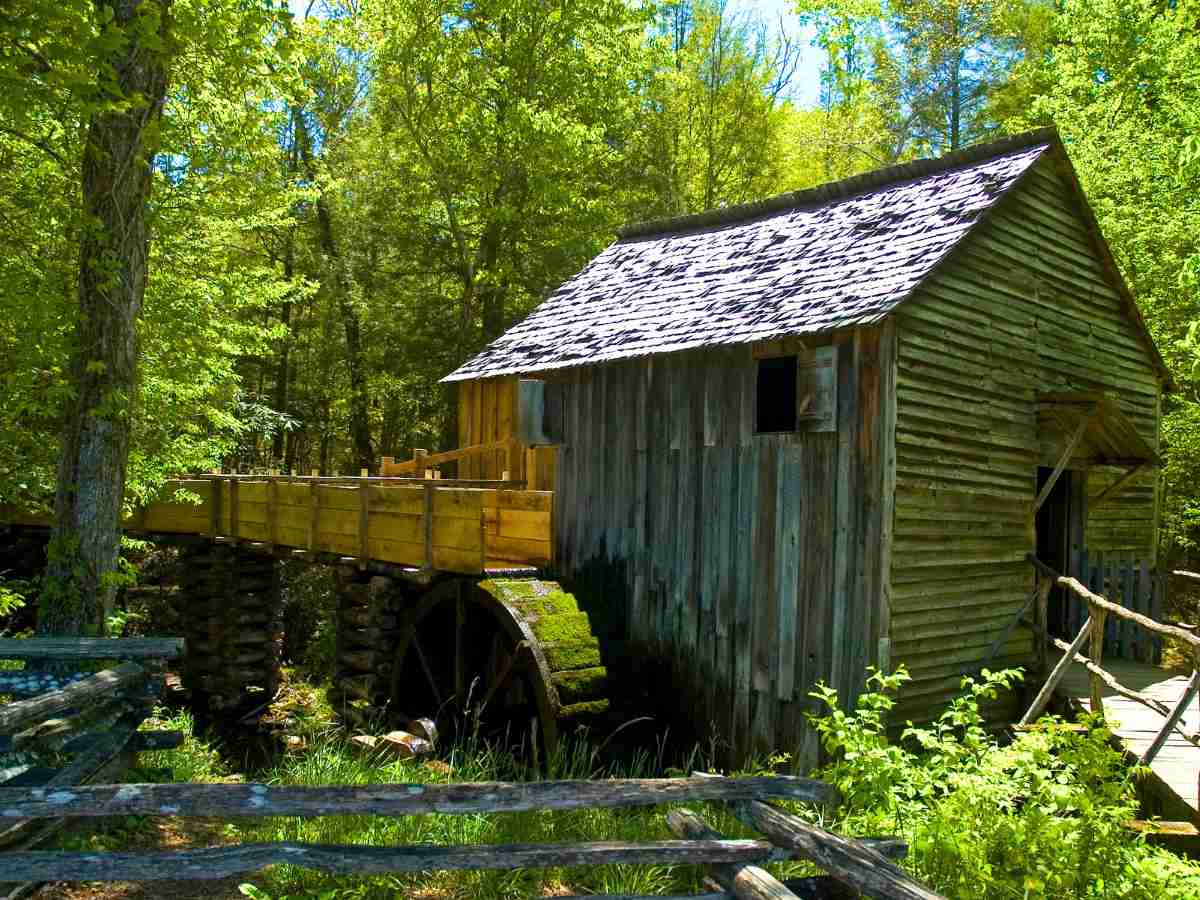
John Oliver Cabin in Cades Cove: As the first historic structure you’ll encounter on the 11-mile Cades Cove Loop Road, the John Oliver Cabin is not only the oldest building in the cove but also a symbol of early settlement in the area. John Oliver, his wife Lucretia, and their daughter Mary “Polly” were the first permanent European-American settlers in Cades Cove, arriving in 1818.
The Olivers endured their first harsh winter thanks to the generosity of the Cherokee people. The family’s deep roots in the valley are evident as generations of Olivers, including John’s son Elijah, continued to live and settle in the cove until the establishment of the national park over a century later.

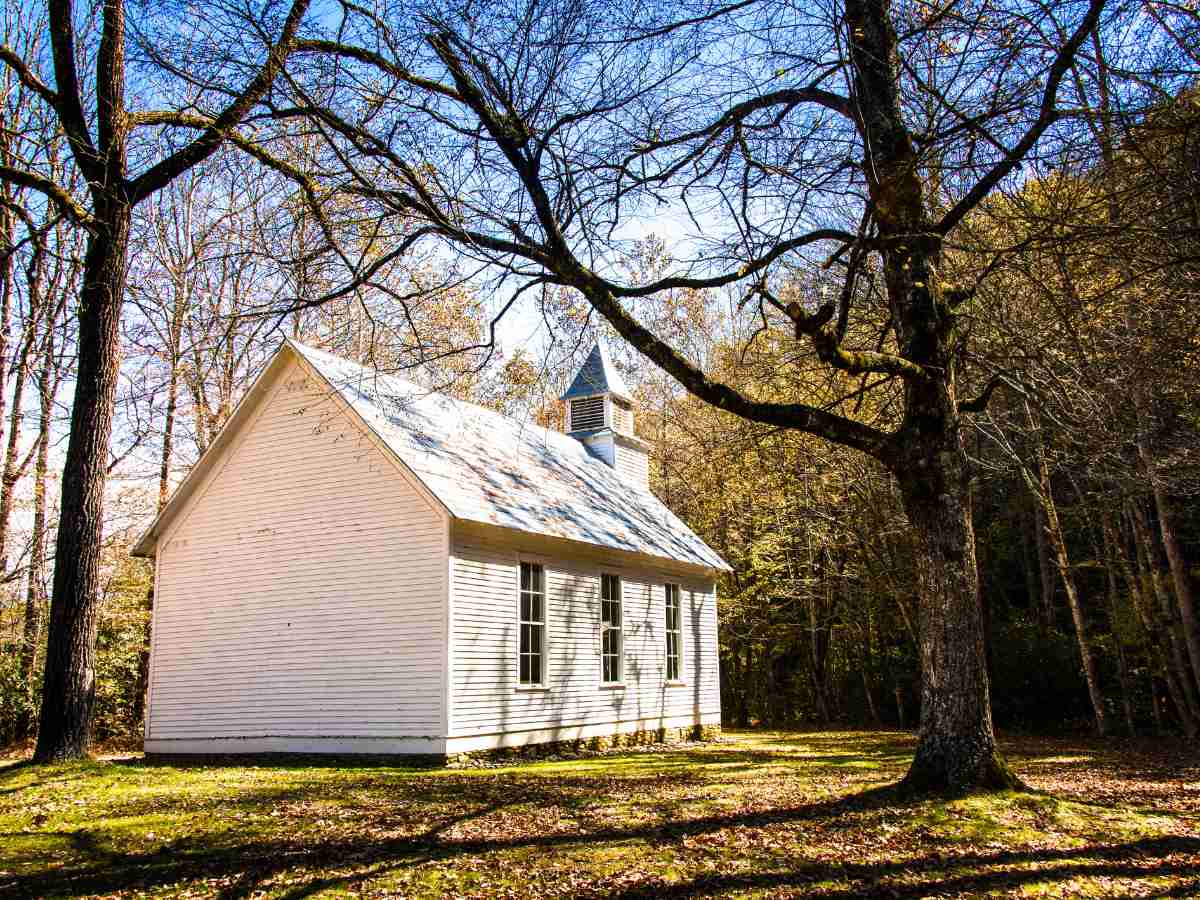
Palmer Chapel in Cataloochee: Built in 1898 on land generously donated by Mary Ann Palmer, Palmer Chapel was the only church serving the community of Big Cataloochee. This historic church, nestled in the serene Cataloochee Valley, is open to visitors who can step inside to see its original pews, pulpit, and an old piano. The chapel remains a cherished part of local history, with former residents holding a yearly reunion here. Additionally, the National Park Service offers permits for weddings and other special events, allowing people to celebrate important moments in this peaceful, historic setting.
Mountain Farm Museum in Oconaluftee: Situated near the Oconaluftee Visitor Center, this open-air museum showcases a collection of historic farm buildings relocated from various parts of the Smokies. The Mountain Farm Museum offers a comprehensive look at 19th-century Appalachian farm life, complete with a working blacksmith shop, a log farmhouse, and a functional barn. It’s an excellent stop for those interested in the agricultural history of the region.
Alfred Reagan Cabin and Tubmill in Roaring Fork: As you stand on the front porch of the Alfred Reagan Cabin, two things immediately capture your attention: the towering, wooded ridges that surround the small house and the relentless sound of the Roaring Fork rushing down the narrow valley. A third element, though less tangible, is the overwhelming sense of solitude—an almost eerie loneliness that seems to permeate the air.
Built in the late 1800s, this cabin, along with its adjacent tubmill, exemplifies the resilience and ingenuity of mountain settlers. The tubmill, used for grinding corn, highlights how families like the Reagans thrived in the rugged landscape of the Smokies.
Elkmont Ghost Town: In Elkmont, efforts are ongoing to rehabilitate historic buildings from what was once a bustling logging town turned summer resort. Among these structures are charming cabins and the Appalachian Clubhouse, all echoing the area’s vibrant history.
Finding Elkmont Ghost Town is relatively straightforward. Located just 8 miles from Gatlinburg within the Great Smoky Mountains National Park, it’s easily accessible. Start by taking US-411 from Gatlinburg to the Sugarlands Visitor Center. From there, head toward Cades Cove, and after driving about 7 miles, you’ll spot the sign directing you to Elkmont Campground. It’s a convenient stop for those interested in the layered history of the Smokies.
Tips: Respect the historical sites by not climbing or disturbing the structures. Some cabins are off the beaten path, so a short hike may be required.
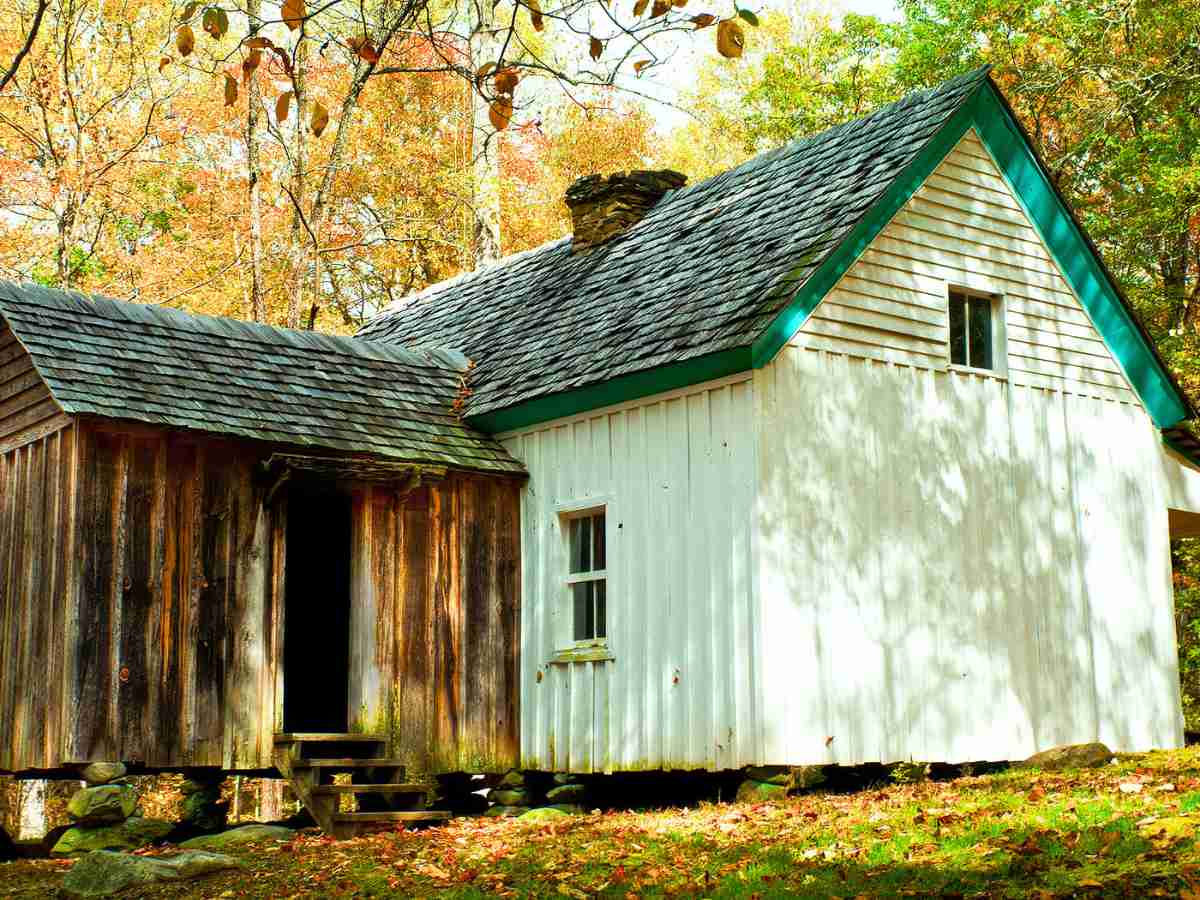
Locations: Cades Cove (Postcode: 37882) and Roaring Fork (Postcode: 37738)
You may find these tips helpful when planning your trip to the Smoky Mountains:
- Hiking Clingmans Dome in a small group of six with an experienced guide;
- Explore the woodlands, streams, and waterfalls with a professional naturalist;
- Take back a piece of history with you by hiking a part of the Appalachian Trail with a professional guide;
- Join this unique activity where you explore the waterfalls and breweries near Bryson City, NC.
- Go to some spectacular places in the Smoky Mountains for incredible views of fall foliage in this guided experience with a trained ecologist or park ranger.
8. Tour the Forbidden Caverns in Sevierville, TN
Located just outside the Smoky National Park, the Forbidden Caverns in Sevierville is among the most breathtaking caves in America and a history tied to Native American legends and moonshine production.
Touring the Forbidden Caverns in Sevierville is a unique adventure that takes you deep into the heart of the Smoky Mountains, uncovering the mysteries of an ancient underground world. The caverns are so named because, according to local legend, they were once considered forbidden by the Eastern Woodland Native American groups who believed the caves were sacred and used them as a shelter during harsh winters and for other rituals.
The tour itself is approximately one hour long, guiding you through a network of winding tunnels and expansive chambers. You will pass by glittering formations, soaring natural chimneys, numerous grottos, and a crystal-clear underground stream. The trails are well-lit, with handrails provided at key points for safety. As you explore, you’ll witness incredible formations that nature has sculpted over thousands of years, all in a comfortable 58 degrees Fahrenheit.
The Forbidden Caverns are also home to a spectacular underground lake, hidden within one of the secret chambers, adding to the mystique of the experience.
The tour of Forbidden Caverns in Sevierville is led by knowledgeable guides who provide detailed information about the caverns’ geology, history, and legends associated with them.
There is a visitor centre at the Forbidden Caverns where you can purchase tickets, explore exhibits about the area’s history, and purchase souvenirs.
The caverns are open from April through November. Closed on Sundays and during the winter months of December, January, February, and March.
Tips: The caverns are cool year-round, so bring a light jacket. Wear non-slip shoes as the paths can be damp.

Location: 455 Blowing Cave Rd, Sevierville, TN 37876.
9. Wildlife Watching in Cataloochee Valley: A Unique Activity in the Great Smoky Mountains National Park
Cataloochee Valley, nestled in the southeastern section of the Great Smoky Mountains National Park, offers one of the most unique things to do in the Smoky Mountains—wildlife watching. This picturesque valley, located near the charming towns of Maggie Valley and Waynesville, is a prime spot for encountering the diverse wildlife that calls the park home.
Early morning and late evening are the best times to witness the majestic elk that roam freely in Cataloochee Valley. These times of day are when the elk are most active, often grazing along the roads and in the meadows, creating a breathtaking sight against the backdrop of the valley’s scenic beauty. In addition to elk, you can also spot black bears, white-tailed deer, and wild turkeys in this area, making it a haven for wildlife enthusiasts.
The elk, reintroduced to the park in the early 2000s, have flourished in the valley and some have even migrated to other nearby areas, including Maggie Valley, the Oconaluftee and Ravensford regions, and the lands of the Eastern Band of Cherokee Indians in Cherokee, NC.
When planning your visit, look up the rules and regulations of wildlife viewing to ensure a safe and respectful experience for both yourself and the animals.
Cataloochee Valley is the place to elk in Haywood County.
Tips: Visit early in the morning or late in the evening for the best chances of seeing elk. Stay in your vehicle or maintain a safe distance when observing wildlife.

Location: Chattahoochee Valley, near Waynesville, NC (Postcode: 28785)
10. Experience the Blue Ridge Parkway: A Unique Activity in the Smoky Mountains
Spanning 469 miles (754.7 km), the Blue Ridge Parkway offers one of the unique things to do in the Smoky Mountains. Known for its breathtaking vistas and access to numerous hiking trails, it provides a remarkable way to explore the Smokies’ connection to the Blue Ridge Mountains. It is especially stunning in the fall when the leaves turn vibrant colours. This scenic drive is a must-do unique activity in the Great Smoky Mountains National Park.
Key Viewpoints:
Waterrock Knob (Milepost 451.2): One of the highest points on the Parkway, this viewpoint offers panoramic views and, a short hike to the summit.
Newfound Gap (Milepost 469.1): Located near the start of the Parkway, Newfound Gap offers sweeping views of the Smoky Mountain and access to several trails.
Oconaluftee Valley Overlook (Milepost 461.9): A favoured spot for catching the sunrise, and a stunning panorama of the Oconaluftee Valley.
The Blue Ridge Parkway stretches between Shenandoah National Park, starting near Waynesboro, VA, at Milepost 0, and the Great Smoky Mountains National Park, ending near Cherokee, NC, at Milepost 469.
Driving the full length without stops typically takes around 10 to 12 hours. Most visitors prefer to take their time, often spreading the journey over several days to fully enjoy the scenery and attractions along the way.
The Parkway is open year-round, though winter conditions can cause temporary closures. Visitor centres and facilities typically operate from May to October, with fall being particularly popular for its foliage.
Tips: Take your time, enjoy the overlooks, and check for road closures due to weather before you start.

Location: The Blue Ridge Parkway connects to the Great Smoky Mountains National Park near Cherokee, NC (Postcode: 28719), and runs north through the Appalachian Mountains.
11. Horseback Riding through Sevier County
Horseback riding through Sevier County offers a unique way to experience the natural beauty of the Smoky Mountains. Sevier County, located in East Tennessee, is home to popular destinations like Gatlinburg, Pigeon Forge, and Sevierville.
Several well-established stables in the area provide guided horseback tours that take you through scenic trails, lush forests, and rolling hills less accessible by foot or car, all set against the stunning backdrop of the Great Smoky Mountains.
The riding experience here is ideal for all levels, from beginners to experienced riders.
Tips: Wear appropriate footwear and follow the guide’s instructions for a safe and enjoyable ride.
Location: Various stables around Sevierville, TN (Postcode: 37862)

12. Exploring Waterfalls: A Unique Thing to Do in the Smoky Mountains
The Smoky Mountains are home to some of the most picturesque waterfalls, each offering a unique experience that draws visitors year-round.
Grotto Falls, for instance, is famous for allowing you to walk behind the cascading water, a rare feature that adds a touch of magic to your hike.
Laurel Falls is one of the most accessible waterfalls in the park, with a paved trail leading to its tranquil beauty, making it perfect for families.
Rainbow Falls is a more challenging hike but rewards you with a stunning 80-foot drop that creates a stunning mist and occasional rainbows—an ancient spectacle that connects you to the timeless natural beauty of the Smokies.
Tips: Waterfalls are most vibrant after rainfall, so plan your visit accordingly. Be sure to wear waterproof shoes, as the trails can be muddy, and exercise caution on slippery rocks.

Locations: Grotto Falls, Laurel Falls, and Rainbow Falls, all accessible from Gatlinburg, TN (Postcode: 37738).
13. Fishing in the Smokies: One of the Unique Things to Do in the Smoky Mountains
Fishing in the Smokies is one of the unique things to do in the Smoky Mountains due to the park’s pristine, cool mountain streams, which provide a natural habitat for a variety of trout species. The opportunity to fish in such a biodiverse environment, surrounded by the park’s ancient landscapes, offers a peaceful and immersive experience that is hard to find elsewhere.
The Great Smoky Mountains National Park offers over 700 miles of fishable streams, making it a haven for anglers. Some of the most popular spots include:
Little River: Accessible from the Townsend, TN, entrance, Little River is one of the most popular fishing spots in the park. It winds through picturesque mountain landscapes, providing excellent opportunities to catch brook, brown, and rainbow trout.
Abrams Creek: Located near Cades Cove, Abrams Creek is known for its serene environment and is a prime spot for fishing, particularly for those seeking a quieter, more secluded experience. It’s also known for larger brown trout.
Deep Creek: Near Bryson City, NC, Deep Creek is a great spot for fishing and offers a mix of both rainbow and brown trout. The area is also popular for tubing, adding to the diversity of activities available.
Cataloochee Creek: Located in the remote Cataloochee Valley, this creek provides a more secluded fishing experience, where you can fish for brook and rainbow trout amidst the valley’s lush greenery and abundant wildlife.
Permits and Regulations: To fish in the Great Smoky Mountains National Park, you need a valid fishing licence or permit from either Tennessee or North Carolina, depending on where you plan to fish. No special park fishing licence is required.
Tennessee Fishing Licence is available online through the Tennessee Wildlife Resources Agency (TWRA) website or at local outfitters and visitor centres near the park.
North Carolina Fishing Licence: This can be purchased online through the North Carolina Wildlife Resources Commission website or at local retailers.
Fishing Regulations: The park enforces specific fishing regulations to preserve the fish populations. These include restrictions on bait (only artificial flies or lures are allowed), limits on the number of fish you can keep, and designated catch-and-release areas.
Fishing is permitted year-round in the park, from a half-hour before sunrise to a half-hour after sunset.
On the other hand, you may prefer joining a tour where all the gear needed for fishing, including rods, flies, line, waders, and boots are provided for you. The guide will work with you on fish preference and hiking ability.
BOOK Unique Half-Day Fly Fishing in Smoky Mountains.
Tips: Obtain the necessary fishing permits and be familiar with park regulations. While not mandatory, catch-and-release is strongly encouraged in many areas to help maintain healthy fish populations for future generations of anglers.

Location: Streams throughout the Great Smoky Mountains National Park.
14. Camping in the Backcountry: A Unique Adventure in the Smoky Mountains
For those seeking to fully immerse themselves in the natural beauty of the Smokies, backcountry camping offers solitude and a deep connection with the wilderness. The park has over 100 backcountry campsites and shelters, providing a wide range of options for campers.
However, permits and reservations are required for all backcountry camping, and these can be obtained online through the park’s official website or at designated visitor centres within the park.
Backcountry Permits: Required for all backcountry camping and can be obtained through the Great Smoky Mountains National Park website. Reservations must be made in advance, especially during peak seasons.
You can obtain your backcountry camping permits from the Great Smoky Mountains National Park’s website or at visitor centres such as Sugarlands Visitor Center (near Gatlinburg, TN) or Oconaluftee Visitor Center (near Cherokee, NC). This official site gives you all the information to visitor centres in the Smoky Mountains.
Before heading out, check weather conditions against your itinerary, as mountain weather can be unpredictable. Always have a plan in place for sudden weather changes.
Bear activity or severe weather can lead to the closure of certain sites, roads, trails, and shelters, so it’s crucial to check for updates before your trip.
Group Camping: The park accommodates large groups (minimum party size of 7) at several designated sites. Group campers are required to use tents only, and reservations must be made in advance.
Accommodation: If you’re looking for more traditional lodging options before or after your backcountry adventure, nearby towns such as Gatlinburg, Pigeon Forge, and Cherokee offer a variety of accommodations ranging from cosy cabins and motels to luxurious resorts.
BOOK Overnight Camping in the Smoky Mountains.
- BOOK Places to Stay in Gatlinburg.
- BOOK Places to Stay in Pigeon Forge.
- BOOK Places to Stay in Cherokee.
Tips: Bear Safety: Always be bear-aware by properly storing food in bear-proof containers. Bear activity is common in the Smokies, and improperly stored food can attract wildlife to your campsite.

Location: Various designated backcountry campsites throughout the Great Smoky Mountains National Park.
15. Wildflower Viewing: A Unique Thing to Do in the Smoky Mountains
Wildflower viewing is one of the unique things to do in the Smoky Mountains, thanks to the park’s incredible biodiversity. With around 1,600 species of flowering plants, the Smokies offer an unparalleled opportunity to see a wide variety of blooms in their natural habitat.
The park’s diverse elevations and microclimates create the perfect environment for these flowers, some of which are rare and found only in this region. During my visit in the autumn, the colours were just beginning to change, adding an extra layer of beauty to the vibrant variety of hues on display.
Two of the best locations for wildflower viewing are Porter’s Creek Trail and Andrews Bald, each offering its own unique experience.
Porter’s Creek Trail: Located in the Greenbrier area of the park, near Gatlinburg, Tennessee, this 4-mile round-trip trail is accessible via the Greenbrier entrance, about 6 miles east of Gatlinburg on U.S. 321. The trail is known for its rich display of wildflowers, particularly in the spring and early summer, as well as its historical structures and serene creek views.
Andrews Bald: Situated near Clingmans Dome on the North Carolina-Tennessee border, Andrews Bald is accessible via the Forney Ridge Trail, starting from the Clingmans Dome parking area. The 3.6-mile round-trip hike to Andrews Bald offers not only stunning wildflower displays but also spectacular panoramic views of the Smokies, especially in the fall when the foliage begins to change.
Tips for Wildflower Viewing: Stay on marked trails to protect the delicate flora. Bring a camera to capture the emerging colours, but be mindful not to disturb the plants. The best time for wildflower viewing is during the spring and early summer, though autumn also provides a beautiful backdrop as the seasons transition.

Locations: Porter’s Creek Trail, Andrews Bald, and other higher elevations
16. Exploring Mountain Culture in the Cherokee Reservation of the Great Smoky Mountains
The Great Smoky Mountains are steeped in the rich history of Southern Appalachian mountain culture, particularly the heritage of the Cherokee, a Native American community that has preserved its 18th-century way of life.
Situated just outside the Park, I visited the Oconaluftee Indian Village in Cherokee, North Carolina. This Open Air Museum, rated third-best in the USA was where I experienced a glimpse into this rich mountain culture.
The Oconaluftee Indian Village is located within the Cherokee Reservation, and offers an immersive tour of traditional Cherokee dwellings, demonstrations of ancient jewelry-making, and showcases of early tools. The highlight of my visit was a cultural dance performance that vividly narrated their history.
If you can, make time to experience this unique activity because it offers an authentic connection to the ancient traditions and way of life of the Cherokee people, something you won’t find in many other places. You can find more details here.
BOOK to Visit the Museum of the Cherokee Indian
Tips: Plan to spend ample time, anything from 2 or 3 to 3.5 hours exploring both the village and the nearby museum. The tour takes approximately one hour and the traditional show, ‘Unto the Hills’ usually lasts for two hours. You could also book a pre-dinner show for a complete immersive experience of this rich Indian culture

Location: Oconaluftee Indian Village, Cherokee, NC (Postcode: 28719).
17. Driving the Foothills Parkway: A Scenic Journey Through the Smoky Mountains
The Foothills Parkway is one of the most scenic drives in the Smoky Mountains and I am glad that we took this route. It provided a less crowded alternative to other park entrances.
The drive itself is approximately 33 miles (53.10 km) along the western section, from Chilhowee Lake to Wears Valley. It generally takes about 45 minutes to an hour without significant stops but it took me much longer as I stopped at several overlooks for photos. Numerous designated pull-offs and overlooks along this route allow you to fully appreciate the beauty of the mountains and valleys,
Some notable stops include:
Look Rock: Around halfway along the western section, Look Rock offers a 360-degree view of the surrounding landscape. There’s also a short trail leading to an observation tower for an even more expansive view.
Foothills Parkway East Overlook: Located near the Wears Valley end, this overlook provides sweeping views of the Smokies and the Tennessee River Valley, particularly beautiful in the early morning or at sunset.
Chilhowee Lake Overlook: Near the western end of the parkway, this overlook offers stunning views of Chilhowee Lake, framed by the surrounding mountains.
Swinging Bridge Quiet Walkway: A tranquil stop along Newfound Gap Road, featuring a short trail leading to a rustic footbridge surrounded by forest.
Newfound Gap Overlook: Near Clingmans Dome Road, this overlook offers panoramic views and marks the Tennessee-North Carolina state line.
Morton Overlook: A prime spot for sunset, offering stunning westward views of the Smoky Mountains’ peaks and valleys.
Best Times to Visit: While the drive is beautiful year-round, fall and spring offer the most spectacular views, with fall foliage and spring wildflowers making it a truly unique experience. The Foothills Parkway is dotted with wildflowers. As you drive, you’ll see an array of blooms such as trilliums, phlox, and wild violets along the roadside, making this drive particularly beautiful.
Tips: Driving Conditions: The road can be winding with sharp curves, so drive carefully, especially at higher elevations. The elevation changes along the parkway can also lead to varying weather conditions, so be prepared for potential changes in visibility and temperature.


Location: The Foothills Parkway runs parallel to the Great Smoky Mountains National Park, connecting near Townsend, TN (Postcode: 37882). The parkway stretches between U.S. Highway 129 in the west to Interstate 40 in the east, although the completed sections primarily run from Chilhowee Lake to Wears Valley, offering some of the most breathtaking views in the region.
BONUS ACTIVITY for a Quintessential Mountain Experience: Exploring Gatlinburg and Surrounding Attractions
Gatlinburg serves as a bustling gateway to the Smokies, offering a variety of attractions that make it a unique part of any Smoky Mountains trip. What sets Gatlinburg apart is its blend of natural beauty, entertainment, and accommodations.
Gatlinburg provides visitors with experiences like the Gatlinburg Sky Bridge, which offers breathtaking views of the surrounding mountains, and thrilling mountain coasters that weave through the forest. There are many more attractions to choose from, especially for adults, which makes Gatlinburg a unique destination in the Smoky Mountains.
Additionally, the nearby Dollywood in Pigeon Forge adds to the area’s appeal with its mix of rides, shows, and cultural attractions.
If you are seeking adventurous activities, you could:
- BOOK a helicopter tour; and/or
- BOOK a 3-hour jeep tour from Foothills Parkway; and/or
- BOOK a mountain zip lining activity.
- There are more choices available here for you.
Tips: Plan your visit during weekdays or off-peak times to avoid crowds. Many attractions offer discounts for online bookings, so planning ahead can save you money. Consider purchasing an Adventure Pass giving you money saving options to 30 attractions and more.

Location: Gatlinburg, TN (Postcode: 37738)
Must-Do in the Smoky Mountains
I appreciate that experiencing all 16 unique things to do in the Smoky Mountains may not be possible unless you’re staying for several days. If you’re short on time or only visiting for a couple of days, here are the five must-do activities in Smoky Mountains for an authentic experience of the country’s best national park:
- Start with a hike to Clingmans Dome, the highest point in the park, offering stunning panoramic views and connect to a section of the Appalachian Trail.
- Next, explore Cades Cove, a picturesque valley rich in history and wildlife, where you might spot black bears and deer.
- Drive along the Roaring Fork Motor Nature Trail to immerse yourself in the serene beauty of the forest and visit historic homesteads.
- Visit the Oconaluftee Indian Village in Cherokee to gain insight into the rich cultural heritage of the Cherokee people, adding a deeper layer to your Smoky Mountains experience.
- Finally, if you opt for the Foothills Parkway entrance, you’ll get to see the beautiful wildflowers along the way, adding a splash of colour to your journey and ensuring you don’t miss any of the park’s natural wonders.
This all-around experience offers a perfect blend of nature, history, and culture in the Smokies.
Additional Reading:
Very Best Things to Do in Chicago, IL.
Oregon Viewpoints: Your Guide to the Most Scenic Spots in the Pacific Northwest.
48 Fun, Fascinating Facts about the Great Smoky Mountains, USA
Amtrak Routes from Union Station, Chicago.
Is Chicago Safe? Safety Tips and Map of Neighbourhoods.
3 Days in Niagara Falls, Canada.
Useful links for your visit to the Great Smoky Mountains National Park:
- National Park Service — Great Smoky Mountains: https://www.nps.gov/grsm/index.htm
- Recreation.gov — Camping Reservations: https://www.recreation.gov/
- Tennessee Fishing License: https://www.tn.gov/twra/license-sales/fishing-licenses.html
- Hiking in the Smokies: https://www.hikinginthesmokys.com/
- NPS — Foothills Parkway: https://www.nps.gov/grsm/planyourvisit/foothills-parkway.htm
- Backcountry Camping Permits: https://smokiespermits.nps.gov/
- Great Smoky Mountains Weather and Alerts: https://www.nps.gov/grsm/planyourvisit/weather.htm
Happy and Safe Travels Always, Wherever Travel Takes You, xx
For more travel insights and tips, consider following Georgina from Timeless Travel Steps on BlueSky, Instagram and Facebook. Don’t miss out on her latest adventures and expert advice. Subscribe to stay updated and join a community of fellow travel enthusiasts eager to explore the world.
Pin It for Later.


One Comment