
Nasi Lemak History and Origin: A Malaysian Heritage Story on a Plate
A Malaysian Heritage Story on a Plate
Nasi lemak sits at the heart of Malaysian food culture. The nasi lemak history and origin reflect the traditions, communities, and local ingredients that have shaped Malaysia’s culinary heritage for generations. More than just a meal, it is a daily ritual, a beloved street food, and a symbol of national identity. Its enduring popularity also reflects a practical approach to food rooted in local ingredients and traditions, long before sustainability became a mainstream concept.
Its story is rooted in rural life, coastal communities, and shared traditions. What began as a simple breakfast enjoyed by Malay communities has evolved into Malaysia’s national dish, now found everywhere from home kitchens to bustling street food stalls and hawker centres.
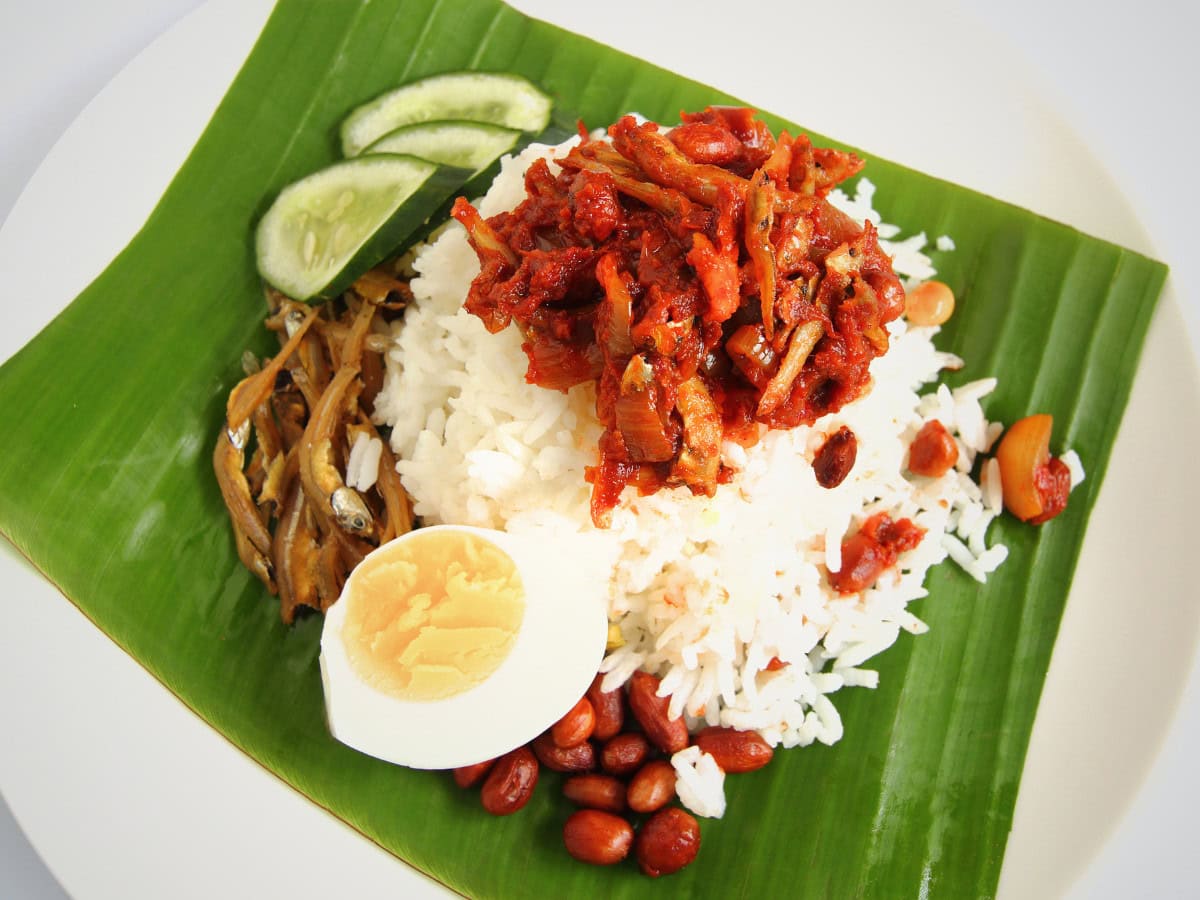
Many Malaysians grow up eating nasi lemak for breakfast. This everyday tradition forms an important part of its history, showing how deeply it is woven into Malaysian life. It often comes as a small parcel wrapped in banana leaves, a familiar sight at school lunches and morning markets. Unwrapping it reveals coconut rice, spicy sambal, and simple accompaniments neatly tucked inside.
Yet it is often the aroma that leaves the strongest impression. The gentle fragrance of pandan and coconut milk blends with the scent of banana leaf, creating an inviting aroma that makes you pause before the first bite. There is something deeply comforting about opening the parcel and being greeted by that familiar scent.
For many Malaysians, it remains one of the most cherished memories of childhood.
Today, nasi lemak represents far more than flavour. It reflects heritage, family traditions, and the rhythm of everyday Malaysian life. Exploring the nasi lemak history and origin offers a fascinating glimpse into Malaysia’s cultural roots and shows how local ingredients, traditions, and communities shaped one of the country’s most iconic dishes.
Here is the story of one of Malaysia’s most beloved heritage dishes on a plate.

Disclosure
Timeless Travel Steps is supported by our readers. If you purchase through an affiliate link on my site, at no cost to you, I may earn a commission from qualifying purchases. Additionally, Timeless Travel Steps is a participant in the Amazon Services LLC Associates Program. As an Amazon Associate, I earn from qualifying purchases at no extra cost to you. Please read our Disclosure for further information.
What Is Nasi Lemak?
Nasi lemak is a fragrant rice dish cooked in coconut milk and pandan leaves. The rice becomes rich, soft, and aromatic, forming the foundation of the meal.
The name nasi lemak comes from the Malay language. Nasi means rice, while lemak refers to richness or creaminess, often associated with the taste of coconut milk. Together, the name describes rice cooked in coconut milk, which gives the dish its signature flavour and texture. The rice is traditionally steamed with knotted pandan leaves, which impart a subtle sweetness and a gentle floral fragrance that makes nasi lemak instantly recognisable.
A traditional serving includes sambal, anchovies, roasted peanuts, boiled egg, and cucumber. Each ingredient plays an important role. The spicy sambal balances the creamy rice, while the peanuts and anchovies add texture and savoury depth.
When people ask, “What is nasi lemak?” they are often surprised by its simplicity. Yet this simplicity is part of its appeal. It remains one of the most beloved dishes in Malaysian cuisine and an important part of Malaysian food heritage.
Its roots help explain its enduring popularity. Nasi lemak began as a filling and affordable meal, providing sustenance for farmers, fishermen, and labourers during long working days.
Over time, it spread beyond villages and local markets to become a staple found everywhere from roadside stalls and hawker centres to modern cafés and restaurants throughout Malaysia.

What Does Nasi Lemak Taste Like?
From experience, nasi lemak bursts into flavour with every bite, creating a satisfying contrast of creamy, spicy, salty, and fresh notes. The coconut milk–cooked rice is soft and fragrant, with pandan leaves releasing a gentle floral aroma that lingers as you eat.
The sambal delivers an immediate kick of heat and sweetness, lifting the dish with bold intensity. This is quickly balanced by crispy anchovies that add saltiness and crunch, while roasted peanuts bring an earthy depth. A boiled egg softens the spice with a smooth, creamy texture, and fresh cucumber offers a cool, refreshing contrast.
Together, these elements create an expressive harmony of textures and flavours. Each bite feels layered and dynamic, yet never overwhelming. It is this balance that makes nasi lemak both comforting and memorable, with flavours that unfold gradually and stay with you long after the meal.

Cultural Significance of Nasi Lemak
Just as satay, nasi lemak holds a special place in the hearts of Malaysians. While the country is home to many beloved dishes, nasi lemak is widely recognised as the Malaysian national dish. Its popularity crosses ethnic, cultural, and regional boundaries, making it a food that unites people from all walks of life.
The cultural significance of nasi lemak extends far beyond its ingredients. The history and origin of nasi lemak tells a story of tradition, resilience, and community. Generations of Malaysians have grown up eating nasi lemak for breakfast, sharing it with family, and purchasing it from local vendors on their way to work or school.
Unlike dishes reserved for special occasions, nasi lemak is woven into everyday life. It appears at morning markets, roadside stalls, cafés, and family dining tables. This accessibility has helped it become a symbol of national identity.
Nasi lemak also reflects the multicultural character of Malaysia. Although its roots lie in Malay culinary traditions, the dish is enjoyed and adapted by people from many backgrounds. Today, Chinese, Indian, Peranakan, and other communities have incorporated their own influences into its preparation and presentation.
As a result, nasi lemak has become an important part of Malaysian food heritage. It represents both continuity and adaptation. While recipes may vary, the essence of the dish remains unchanged. It continues to connect people to their history, local ingredients, and shared cultural experiences.
For many Malaysians, nasi lemak evokes a sense of nostalgia. The aroma of coconut rice wrapped in banana leaves can bring back memories of childhood breakfasts, family gatherings, and neighbourhood food stalls. Few dishes capture the essence of Malaysia’s food culture and heritage as completely as nasi lemak.
Evolution of Nasi Lemak Through Time
Nasi lemak has come a long way from its humble beginnings in rural villages. What started as a practical breakfast for farmers and fishermen has evolved into one of the most recognisable dishes in Southeast Asia.
Traditionally, nasi lemak was sold in small banana leaf parcels. Vendors prepared it in the early hours of the morning, serving workers who needed a filling meal before beginning their day. These simple packets remain popular today and are still considered an authentic expression of Malaysian food culture.
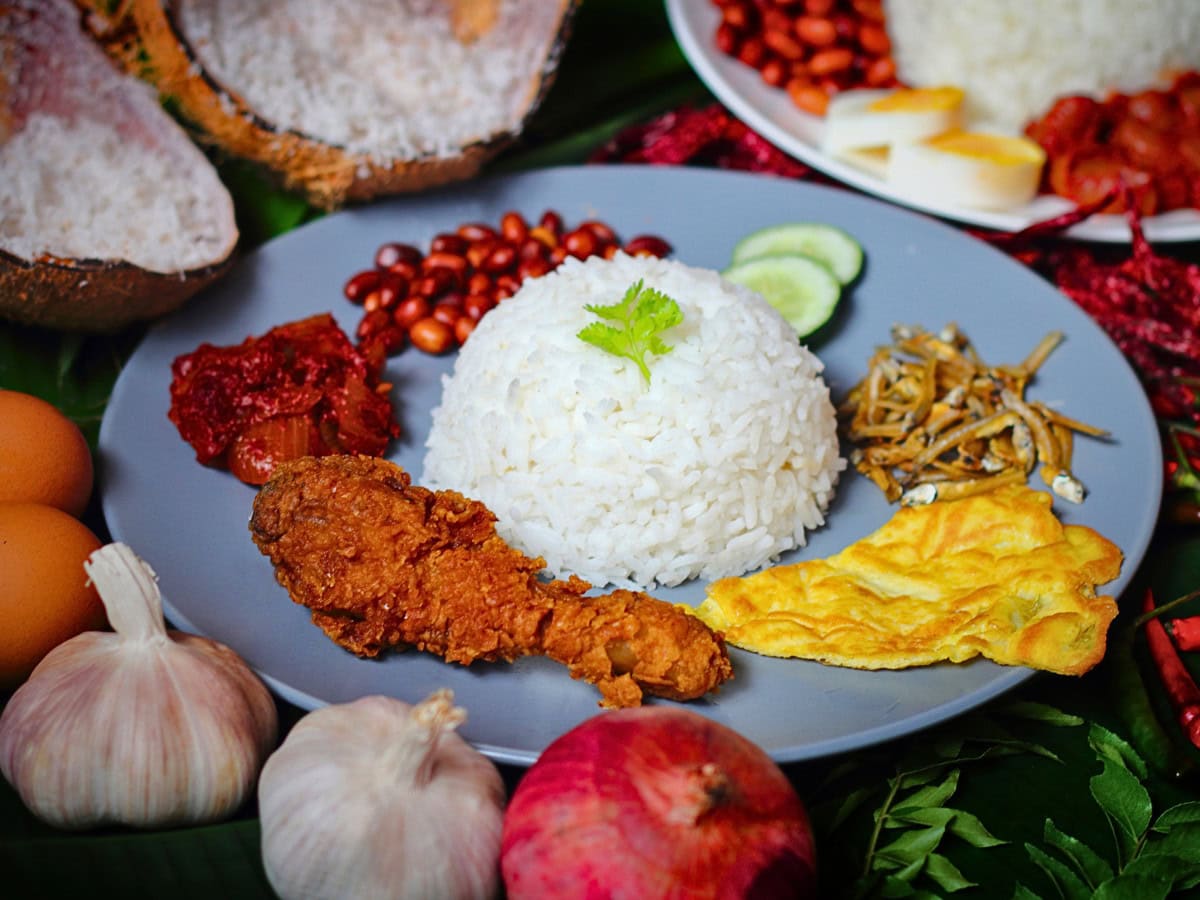
As cities expanded and lifestyles changed, nasi lemak adapted to new tastes and dining habits. Restaurants and cafés began offering larger portions with additional toppings such as fried chicken, beef rendang, squid sambal, and grilled seafood. These additions transformed a modest breakfast into a meal suitable for any time of day.
The rise of Malaysian street food culture further increased its popularity. Food markets and hawker centres across the country showcase countless versions of the dish, each with its own distinctive flavour profile.
Today, modern nasi lemak appears in creative forms that would have been unimaginable a generation ago. Chefs experiment with gourmet ingredients, fusion flavours, and contemporary presentation styles. Some versions feature soft-shell crab, truffle-infused rice, or international accompaniments while still retaining the familiar coconut rice at their core.
The dish has also gained international recognition. Malaysian communities abroad have introduced nasi lemak to diners around the world. It now appears on restaurant menus in cities across Europe, North America, Australia, and beyond.
This journey reflects the broader evolution of Malaysian cuisine. Traditional recipes continue to provide the foundation, while innovation allows them to remain relevant in a changing world. Nasi lemak demonstrates how heritage foods can evolve without losing their cultural significance.

Regional Variations of Nasi Lemak
Like many traditional dishes, nasi lemak takes on different forms across the country. These nasi lemak variations reflect local ingredients, cultural influences, and regional preferences.
Along Malaysia’s coastal regions, seafood often plays a prominent role. Fresh fish, prawns, squid, and cuttlefish sambal are common accompaniments. These additions highlight the close relationship between coastal communities and the sea.
In urban centres such as Kuala Lumpur and Penang, nasi lemak has evolved into a highly versatile dish. Diners can choose from a wide range of toppings, including fried chicken, beef rendang, curry dishes, and even modern fusion creations. These city versions showcase the diversity of contemporary Malaysian dining.
Peranakan, or Nyonya, influences have also left their mark on the dish. Nyonya cuisine combines Malay and Chinese culinary traditions, often emphasising aromatic spices and complex flavour combinations. Some Nyonya-inspired nasi lemak recipes incorporate richer sambals and distinctive regional ingredients, creating unique interpretations of a classic favourite.
Throughout the country, vendors often take pride in their own family recipes. The sambal may be sweeter, spicier, or more savoury depending on local tastes. Even the texture of the rice can vary from region to region.
These differences make nasi lemak one of the most fascinating examples of Malaysian regional food. While each version reflects local traditions, all share the same essential foundation of coconut rice and sambal.
Despite the many adaptations, nasi lemak remains closely associated with the traditional Malaysian breakfast. Whether enjoyed from a roadside stall, a family kitchen, or a modern restaurant, the dish continues to connect Malaysians with their culinary roots while celebrating the diversity of the nation.

Nasi Lemak in Malaysian Food Culture Today
Nasi lemak continues to play a central role in Malaysian food culture today. Its journey from rural kitchens to urban dining tables reflects both its long nasi lemak history and deep-rooted nasi lemak origin in traditional Malay life. Despite modern changes, the dish remains a daily staple across Malaysia.
Today, people enjoy nasi lemak in many ways. It remains a popular breakfast choice in homes, roadside stalls, and cafés across the country. Many Malaysians still start their day with nasi lemak breakfast Malaysia, often purchased from local vendors on the way to work or school. This everyday habit keeps the dish firmly embedded in modern routines.
Nasi lemak also thrives within Malaysian hawker food culture. Hawker centres and night markets serve countless variations, from simple banana leaf packets to plates with fried chicken, rendang, or sambal squid. Each version reflects local taste preferences while preserving the dish’s core identity.
Restaurants have also elevated nasi lemak into creative and contemporary forms. Chefs now present it as one of the popular Malaysian dishes, offering gourmet interpretations while maintaining its traditional foundation of coconut rice, sambal, and classic accompaniments. Despite these innovations, the essence of nasi lemak remains unchanged.

Nasi Lemak and Traditional Sustainable Food Practices
One of the lesser-known aspects of nasi lemak is how it reflects traditional food practices that align with many modern sustainability principles.
Long before sustainability became a common topic, nasi lemak was often sold and carried in banana leaf parcels. These leaves are naturally biodegradable, readily available in tropical climates, and impart a subtle fragrance to the rice, eliminating the need for disposable packaging.
The dish also relies on simple, locally sourced ingredients that have long been staples in Malaysian communities, including rice, coconut, peanuts, anchovies, and chillies. Pandan leaves, which give nasi lemak its distinctive fragrance, were often readily available in home gardens and could be picked fresh when needed.
Traditionally, nasi lemak was prepared in small batches by home cooks and local vendors, helping to minimise waste while providing an affordable and filling meal.
While people may not have viewed these practices through the lens of sustainability, they were making use of local resources, seasonal ingredients, and natural packaging long before sustainable living became widely discussed.
While few people would have described these practices as sustainable at the time, they demonstrate how traditional food cultures often developed practical solutions that made use of local resources.
Today, nasi lemak serves as a reminder that some of the most enduring food traditions are also among the most resourceful.

Why Nasi Lemak Represents Malaysian Heritage
Nasi lemak represents Malaysian identity because it reflects both continuity and change. Its nasi lemak history and origin connect it to rural traditions, while its modern forms show how Malaysian food culture continues to evolve.
The dish plays a key role in Malaysian culinary heritage. It preserves cooking methods and flavour combinations that have been passed down through generations. At the same time, it adapts to modern dining habits without losing its cultural foundation.
As part of heritage food Malaysia, nasi lemak symbolises shared memory and national identity. It brings together different communities through a common food experience, reinforcing its place in everyday life.
Within traditional Malaysian cuisine, nasi lemak stands out as both humble and iconic. It reflects the balance between simplicity and depth that defines much of Malaysia’s food culture.
How to Make Nasi Lemak (Simple Home Recipe)
For those who are curious to try it at home, nasi lemak is surprisingly simple to prepare. While traditional versions vary across Malaysia, the core elements remain the same: fragrant coconut rice, spicy sambal, and classic sides.
Ingredients
For the rice:
- 2 cups rice
- 1 cup coconut milk
- 1–2 pandan leaves (knotted)
- Salt to taste
For the sambal:
- Dried chillies (soaked and blended)
- Onion
- Garlic
- Shrimp paste (belacan)
- Sugar and salt
- Oil
To serve:
- Fried anchovies
- Roasted peanuts
- Boiled or fried egg
- Cucumber slices
Method:
- Rinse the rice until the water runs clear.
- Cook the rice with coconut milk, pandan leaves, and a pinch of salt. Steam or cook until fluffy and fragrant.
- Heat oil and sauté blended onions, garlic, dried chillies, and shrimp paste to make the sambal. Add sugar and salt to balance the flavour.
- Fry anchovies until crispy and lightly toast the peanuts.
- Boil or fry eggs and slice cucumber for freshness.
- Serve everything together on a plate or wrapped in banana leaf for a traditional touch.
This simple version captures the essence of nasi lemak — fragrant rice, bold sambal, and a balance of textures that reflect Malaysia’s culinary heritage.


The Legacy Continues…
Nasi lemak remains more than a dish. It reflects identity, history, and continuity in Malaysian life. Its nasi lemak origin tells the story of rural beginnings, while its nasi lemak history shows how it evolved into a national symbol.
Today, it continues to connect generations. From banana leaf packets to modern restaurant plates, nasi lemak preserves the essence of Malaysian culinary heritage while adapting to contemporary tastes. It stands as a living example of how food carries memory, culture, and national identity forward.
If you have never tried it, or if you ever come across it while travelling, give it a go. Nasi lemak offers a simple yet meaningful taste of Malaysia’s heritage on a plate.
For more travel insights and tips, consider following Georgina from Timeless Travel Steps on BlueSky, Instagram, Facebook and Pinterest. Don’t miss out on her latest adventures and expert advice. Subscribe to stay updated and join a community of fellow travel enthusiasts eager to explore the world.
Frequently Asked Questions about Nasi Lemak History and Origin

Continue Your Culinary Journey
If you enjoy exploring Malaysian food heritage and how food reflects culture, place, and identity, including the nasi lemak history and origin, you may also enjoy these culinary stories from around the world.
European Food & Cultural Guides
- Surinamese Food in Amsterdam — exploring the layered cultural influences behind one of Amsterdam’s most distinctive cuisines.
- Dutch Food Culture: Traditional Dishes to Try — a look at everyday comfort foods and regional specialities in the Netherlands.
- Stroopwafels in Amsterdam — warm caramel-filled waffle biscuits that are a beloved Dutch treat, often enjoyed fresh from local markets and street stalls.
- Traditional Food in Verona — discovering the classic dishes that define Verona’s culinary identity.
- Verona Wine Pairings and Local Food — how regional wines enhance local Italian cuisine.
- Must-Try Dishes in London — from traditional British classics to multicultural flavours across the city.
- Is Fish and Chips Healthy? — Exploring the nutritional value of Britain’s iconic fish and chips and whether it can be part of a balanced diet.
- Guide to Borough Market, London — food, history, and sustainability in one of London’s most iconic food markets.
- Bordeaux Food Tours and Culinary Experiences — exploring the flavours and food culture of France’s wine capital.
Asian Food Discoveries
- Satay — smoky grilled skewers on a stick, exploring their cultural roots across Malaysia and Southeast Asia.
- What Is Ketupat? A Traditional Woven Rice Dish in Southeast Asia — Discover its history, cultural significance, and role in Southeast Asian traditions.
- Tofu Paradise: A Hidden Gem in Kyoto — a quiet look at Japanese tofu culture and craftsmanship.
- The Rich World of Japanese Soft Serve Ice Cream — exploring Japan’s unique dessert culture.
- Best Okonomiyaki in Hiroshima Style — a regional favourite that showcases Japan’s street food identity.
London Food & Dining Experiences
- Rooftop Brunch London: 7 Rooftop Venues to Brunch with a View — Discover the best rooftop brunch spots in London, combining great food with spectacular city views.
- London’s Best Romantic Restaurants for a Couple’s Date Night — From intimate dining rooms to elegant fine dining, explore romantic restaurants for a memorable date night in London.
- My Visit to Colonel Saab London — A look inside Colonel Saab, the luxury Indian restaurant in London known for its opulent interiors and distinctive dining experience.


