
Surinamese Food in Amsterdam: 10 Traditional Dishes to Try
Amsterdam‘s food scene extends far beyond Gouda cheese and stroopwafels. Surinamese food in Amsterdam is part of the city’s multicultural culinary heritage, shaped by centuries of connections between the Netherlands and Suriname.
What particularly interested me about Surinamese cuisine were its familiar Asian influences. Having grown up in Malaysia, I recognised dishes, ingredients and flavours with roots in Javanese and Indian cooking, yet here they had become part of a distinctly Surinamese food culture.
That is what makes Surinamese cuisine so fascinating. Indigenous, Creole, Hindustani, Javanese, Chinese and European influences come together in dishes such as roti, pom, saoto soup, bami and bojo.
In this guide, I share 10 Surinamese dishes to try in Amsterdam, what to expect when you order them and the heritage and cultural influences behind each dish.
Updated: September 22, 2026
Disclosure
Timeless Travel Steps is supported by our readers. If you purchase through an affiliate link on my site, at no cost to you, I may earn a commission from qualifying purchases. Additionally, Timeless Travel Steps is a participant in the Amazon Services LLC Associates Program. As an Amazon Associate, I earn from qualifying purchases at no extra cost to you. Please read our Disclosure for further information.
FOODIE TIP: Surinamese food is an important part of Amsterdam’s multicultural food scene. Look beyond the traditional Dutch favourites and seek out neighbourhood eateries serving roti, pom, saoto and Surinamese sandwiches.
Surinamese Kitchen
One of the joys of discovering Surinamese food in Amsterdam is realising just how many culinary traditions can meet on one plate. You might recognise Indian-style roti and curries, Javanese noodles and soups, Chinese influences and ingredients rooted in Creole and Indigenous cooking.
There is a deeper history behind this wonderful mix. Suriname was under Dutch colonial rule for centuries. Enslaved Africans were forcibly brought to work on plantations, while later generations arrived from India, Java, China and elsewhere. Each community brought its own food traditions, ingredients and ways of cooking.
Over generations, these traditions mingled with Suriname’s tropical ingredients. Recipes were adapted, flavours crossed cultures and familiar dishes took on a distinctly Surinamese character.
For me, this is part of the pleasure of exploring the Surinamese kitchen. Having grown up with Asian food, some dishes feel wonderfully familiar, while others are completely new. Sometimes a familiar dish appears with an unexpected Surinamese twist.
And that is what makes this cuisine so interesting — Javanese, Indian, Chinese, Creole and European influences can sometimes come together all on one plate.
10 Traditional Surinamese Dishes to Try in Amsterdam
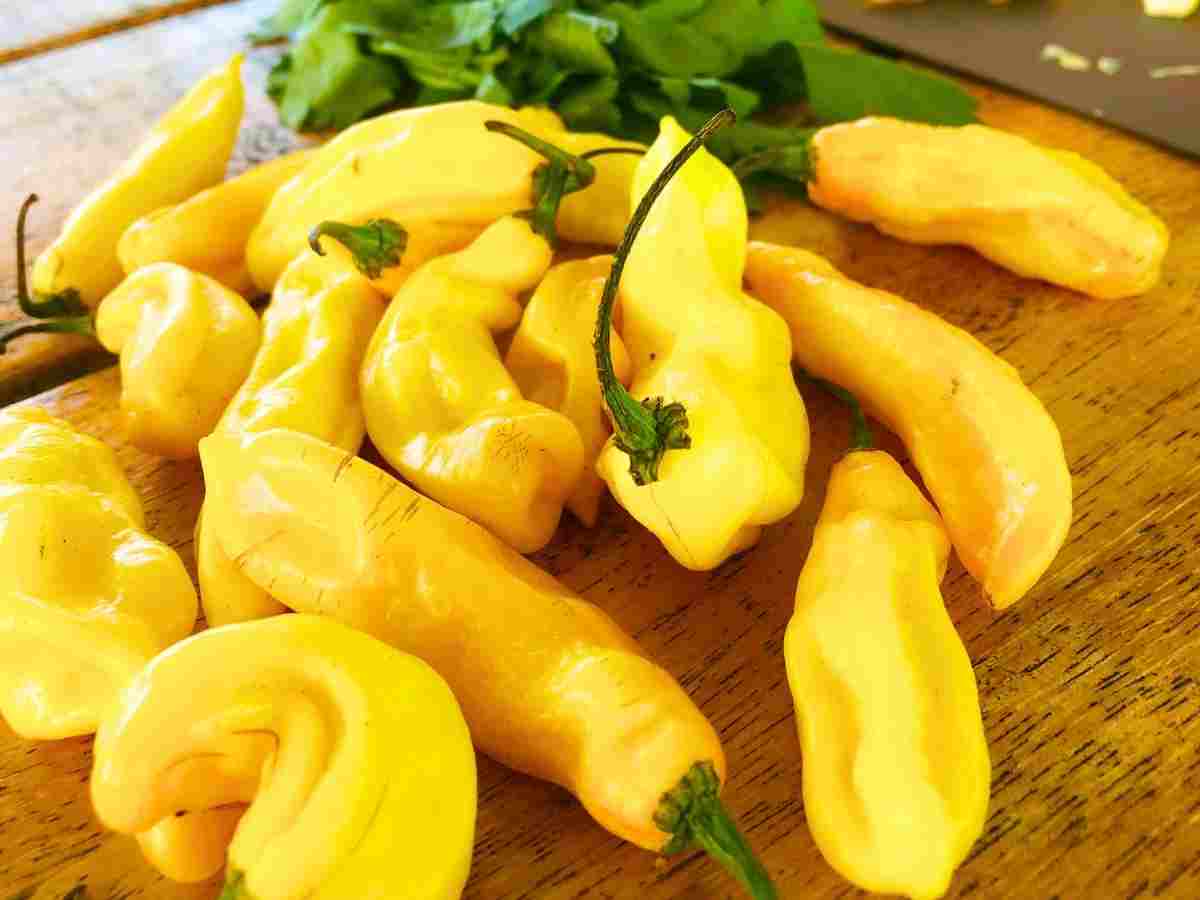
So, what should you try first? Rice and roti are everyday staples in the Surinamese kitchen, often accompanied by chicken, salted fish, plantain, cassava and vegetables such as yardlong beans. And when a dish needs a little more heat, the wonderfully fragrant Madame Jeanette pepper brings its distinctive fiery kick.
From comforting roti and fragrant soups to noodles, fried plantain and sweet treats, these ten dishes offer a delicious introduction to the Surinamese kitchen — and the heritage behind each one.
1. Roti
If there is one Surinamese dish you are likely to come across in Amsterdam, it is roti. Its roots lie in South Asia, brought to Suriname by Hindustani communities, but over generations it developed its own distinctly Surinamese character.
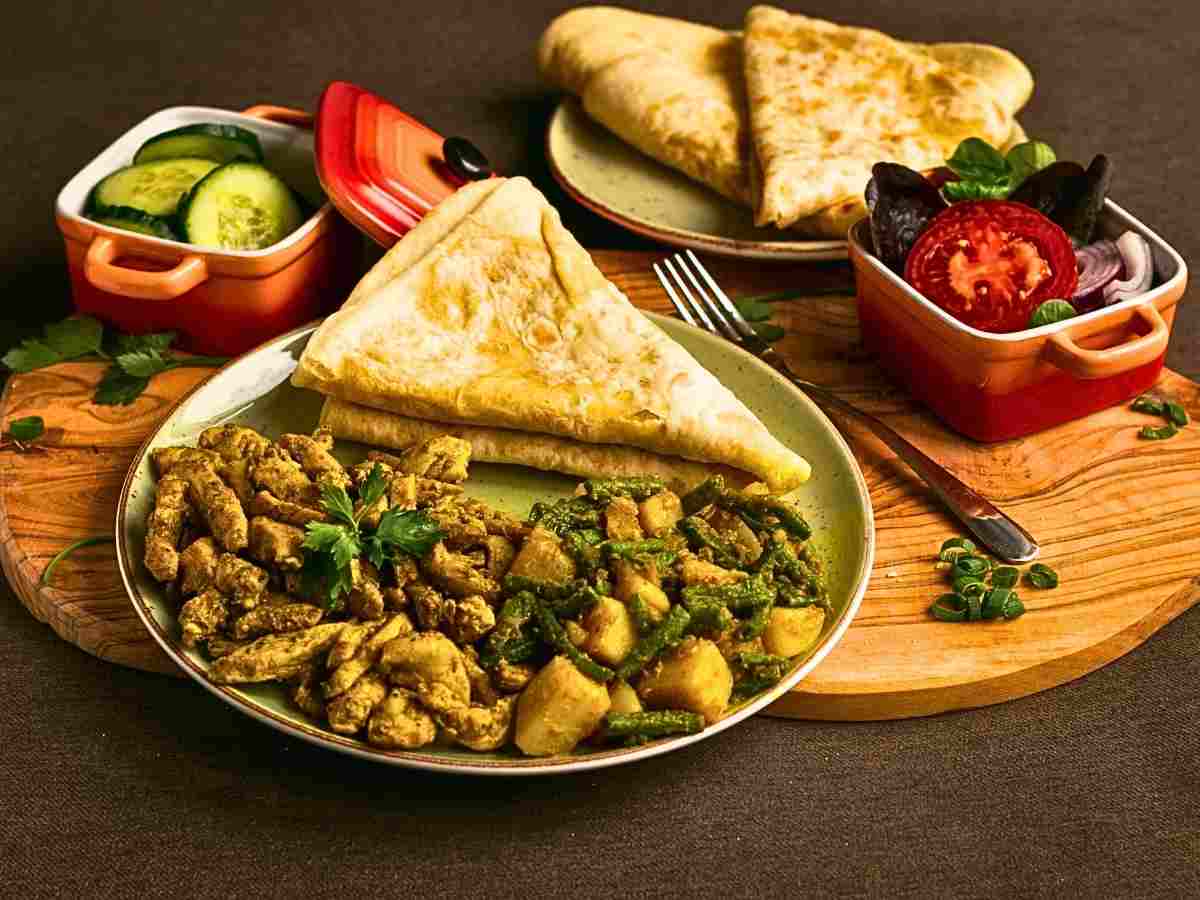
Surinamese roti is usually served with curried chicken, potatoes and kousenband (yardlong beans), often with a boiled egg and sambal alongside. Rather than using cutlery, pieces of the soft flatbread can be torn off and used to scoop up the curry. You’ll also find roti rolls, where everything is wrapped inside for an easy meal on the go.
Roti is familiar to me. Roti canai, with its Indian heritage, is part of everyday Malaysian food culture. The Surinamese version is different, but encountering roti in Amsterdam felt like finding another branch of a much bigger food story — one shaped by migration, adaptation and generations of cooks making a dish their own.
For a classic introduction, look for roti kip — roti served with curried chicken and the traditional accompaniments.

2. Pom
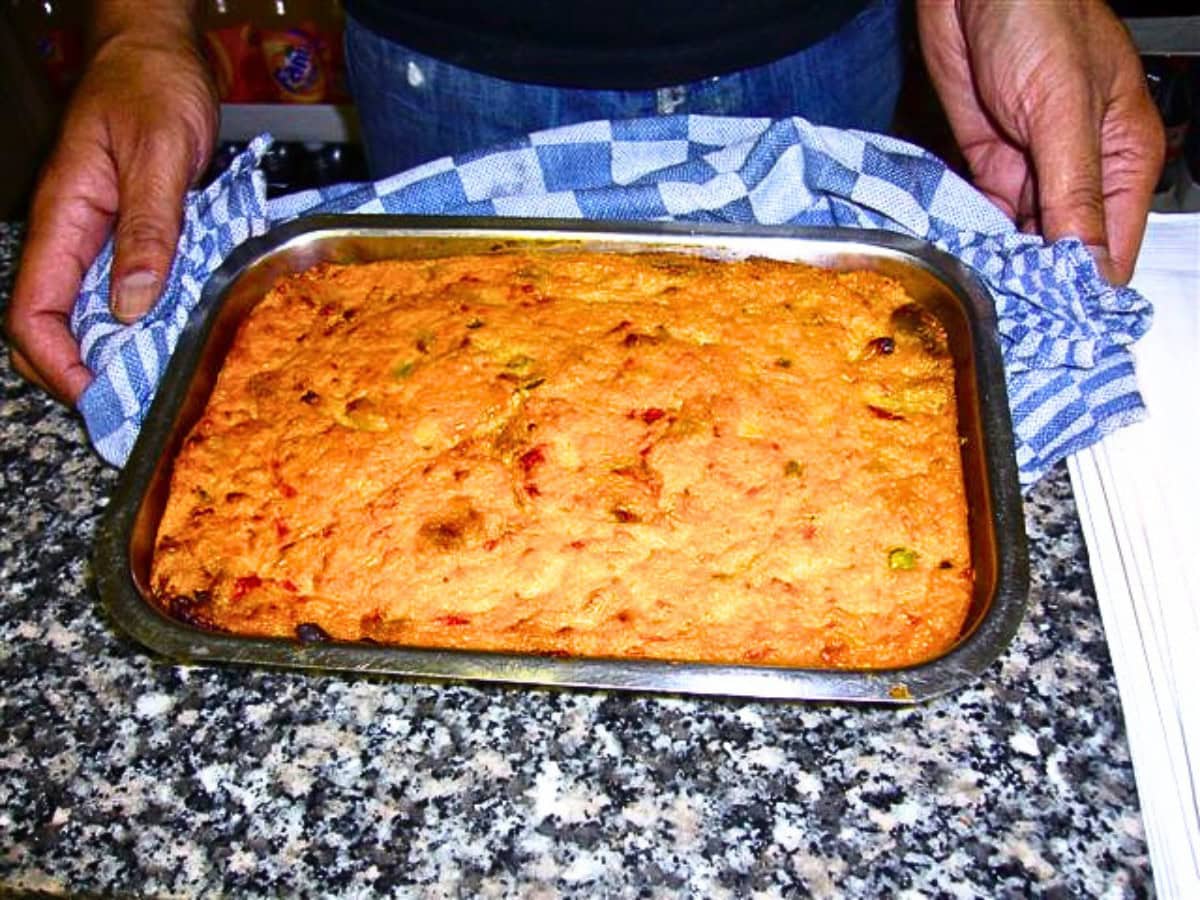
Pom is one of those dishes that tells a story before you have even tasted it. Closely associated with Suriname’s Portuguese-Jewish heritage, it has become a much-loved Surinamese celebration dish, traditionally served at birthdays, family gatherings and other special occasions.
At its heart is pomtajer, a starchy root vegetable that is grated and combined with chicken, citrus and seasonings before being baked slowly in the oven. The top becomes wonderfully golden and caramelised, while underneath it remains soft, rich and savoury.
The citrus is what makes pom particularly interesting. It cuts through the richness and gives the dish its characteristic sweet, savoury and slightly tangy flavour.
In Amsterdam, you may encounter pom as part of a meal or tucked generously inside a broodje. Either way, this is one Surinamese classic I wouldn’t overlook.
3. Moksi Alesi — Mixed Rice
Moksi alesi, meaning “mixed rice”, is Surinamese comfort food at its best. It is a hearty one-pot rice dish made in many different ways, depending on the cook, the family and what happens to be going into the pot.
Salted or smoked meat, chicken, salted fish (like bakkeljauw), or shrimp can be cooked with the rice, for depth and variety in flavour. Vegetables such as tomatoes, green beans, and peas often complement the protein, adding freshness and texture.
Rice is simmered with seasoning like garlic, onions, peppers, and thyme, giving it a rich, savoury aroma. Some versions include coconut milk, while a little Madame Jeanette pepper can bring that unmistakable Surinamese heat.
And perhaps that variety is part of its charm. There isn’t one plate of moksi alesi that defines them all. It is the sort of dish that carries family traditions and personal touches from one kitchen to another.
For me, this familiar dish brings back the comforting rice dishes I grew up with — rice, whatever good things are available, plenty of seasoning and everything coming together in a one-pot satisfying meal.

4. Bami
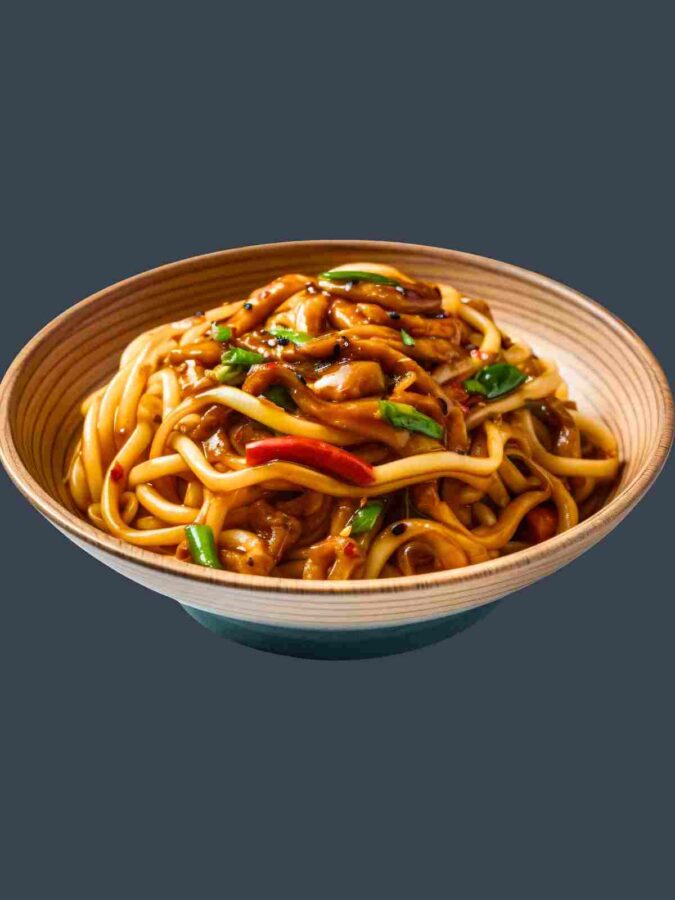
Bami is another familiar dish. These stir-fried noodles have Javanese roots and travelled to Suriname with migrants from Java, eventually becoming part of the country’s distinctive Javanese-Surinamese food tradition.
The noodles are typically seasoned with soy or ketjap and served with meat, vegetables and often something spicy alongside. Like so many Surinamese dishes, there are plenty of variations.
If you know Southeast Asian food, you may recognise similarities with mee goreng or mee goreng mamak, the much-loved fried noodle dish found across Malaysia and Indonesia. The Surinamese version has evolved in its own direction, but its Javanese heritage is still easy to recognise.
In Amsterdam, bami is popular in both casual and more upscale settings. Often served alongside other Indonesian favourites such as nasi goreng, sate, and gado-gado. You’ll also find bami at traditional Indonesian warungs (small restaurants or eateries), Surinamese takeaways, and even some food markets where vendors specialize in Indonesian and Surinamese cuisine.
It is another lovely example of how a familiar dish can travel across continents, adapt to a new home and become part of another country’s food story.

5. Gado-Gado
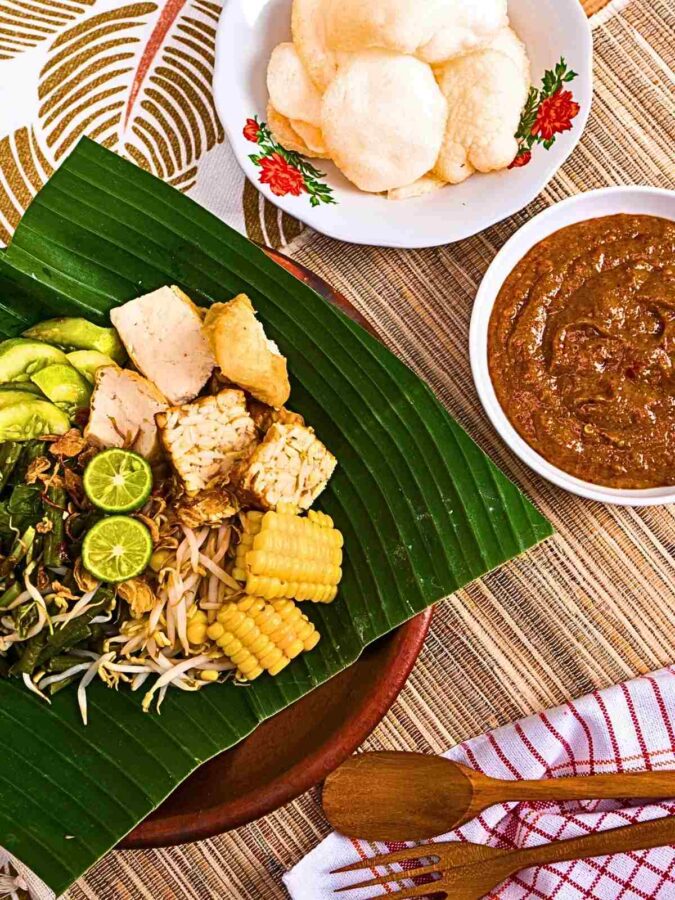
Another dish with unmistakable Javanese roots is gado-gado, a colourful mixture of vegetables brought together by a rich, slightly spicy peanut sauce.
There is no need for it to look particularly neat — that is part of its charm. Blanched or steamed vegetables are usually combined with boiled egg, potato, tofu and tempeh, and may be served with lontong, compressed rice cake traditionally wrapped in banana leaf. The peanut sauce brings everything together.
Gado-gado is another dish I knew from Southeast Asia, so it felt instantly familiar. The combination of vegetables, tofu, rice cake and peanut sauce is unmistakably Indonesian in heritage, yet it found a natural home within Suriname’s Javanese kitchen.
If you want a break from the meatier Surinamese dishes, gado-gado is a lovely one to look out for.
6. Bakabana
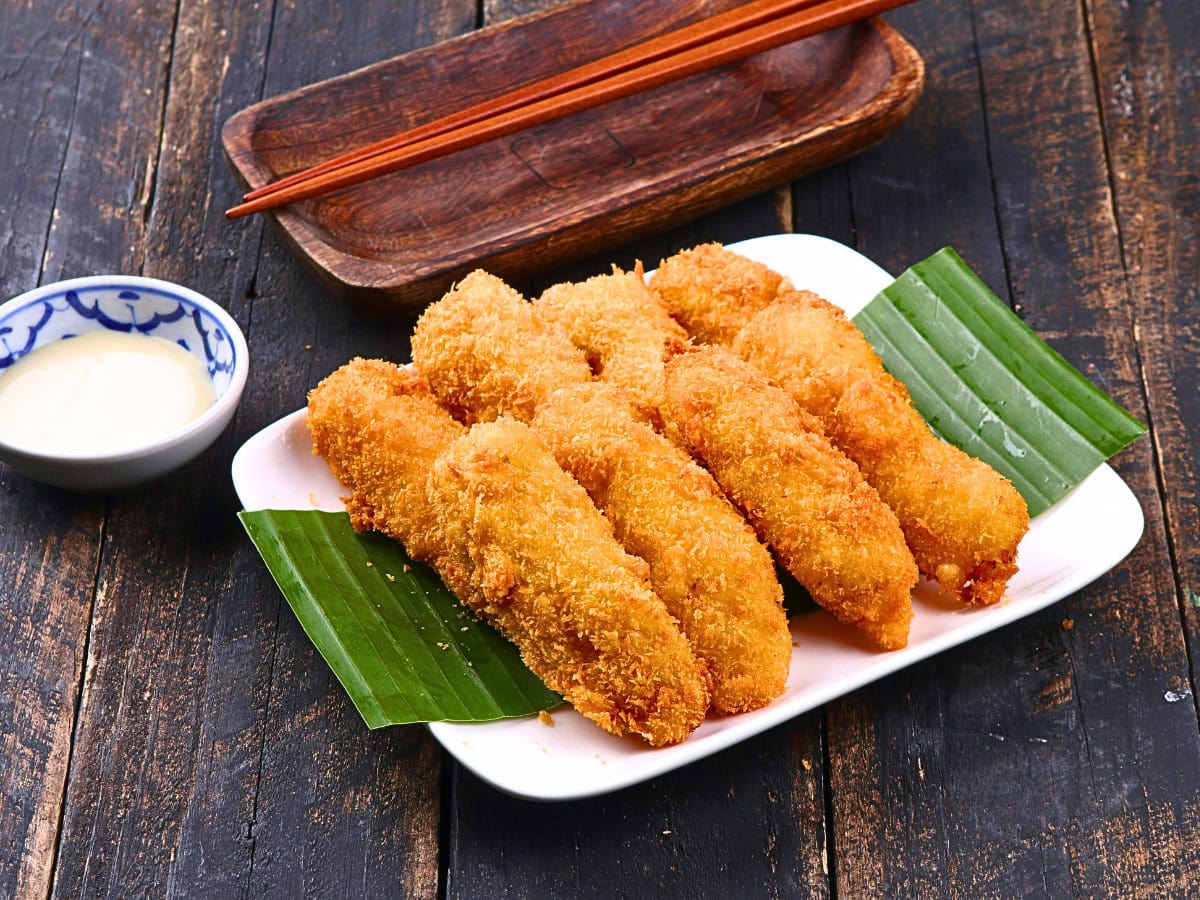
Bakabana is one of those Surinamese snacks that feels instantly familiar if you know Southeast Asian food. Ripe plantain is dipped in batter, fried until crisp and golden, then served with a generous helping of spicy peanut sauce.
Its Javanese heritage is easy to recognise. It is closely related to pisang goreng, the fried banana snack enjoyed across Indonesia and Malaysia — and one I know well as a favourite afternoon treat.
The Surinamese touch comes with that rich peanut sauce, adding something savoury and spicy to the sweetness of the warm plantain.
Simple, crisp and comforting, bakabana is an easy introduction to the Javanese side of Surinamese food.
7. Goedangan
Goedangan brings us back to Suriname’s Javanese kitchen. It is a fresh vegetable dish made with lightly cooked vegetables such as cabbage, bean sprouts and green beans, brought together with a seasoned coconut dressing.
Fresh coconut gives the dish much of its character, while chilli and other seasonings can add a little heat. Depending on how it is prepared, you may also find cucumber and boiled egg alongside.
If this combination sounds familiar, there is good reason. Goedangan belongs to the same wider Javanese food tradition as Indonesian vegetable dishes dressed with seasoned coconut.
After some of the richer curries, noodles and fried foods, this is a lovely lighter dish to encounter on a Surinamese table.
8. Surinamese Pastei
Surinamese pastei may look like a familiar chicken pie, but cut into it and you’ll soon discover that this Creole favourite has a character all its own.
Beneath the golden pastry is a generous, well-seasoned filling of shredded chicken, peas, carrots and onions. Then come the ingredients you might not expect in an ordinary Western-style pie. Depending on the family recipe, hard-boiled eggs, capers, olives and even raisins can appear among the filling, bringing little bursts of salty, sweet and savoury flavour.
It is this unexpected combination that makes pastei distinctly Surinamese. Familiar pastry has been adapted through generations of Creole cooking and Suriname’s wonderfully mixed culinary heritage into something much more interesting than a conventional chicken pie.
Often made for birthdays, celebrations and family gatherings, pastei is comfort food with a Surinamese twist — familiar at first glance, but full of surprises once you taste it.

9. Bojo Cake
Bojo is a wonderfully moist Surinamese cake made from grated cassava and coconut. Dense, slightly chewy and naturally rich, it is quite different from a light sponge cake — and all the better for it.
Cassava, coconut milk and grated coconut form the heart of the cake, usually sweetened and scented with vanilla, cinnamon or other warm spices.
The natural sweetness of the coconut and cassava combines beautifully to create a rich, dense texture and a lovely tropical flavour. Bojo is typically baked until golden and caramelised on top, creating a satisfying crust that contrasts with the soft, luscious interior. Naturally gluten-free, it has the comforting, homemade quality of a cake meant for sharing.
The combination of cassava and coconut was another familiar one for me. Both ingredients appear frequently in Malaysian sweets and kuih, although bojo has its own distinctly Surinamese character.
Often shared at parties and celebrations, bojo is a lovely sweet ending after some of the spicier dishes on this list.

10. Broodje Pom
And finally, something made for eating on the go: broodje pom.
We have already met pom earlier in this list, but tucked inside a soft bread roll it becomes something altogether different. The rich chicken and pomtajer filling, with its characteristic citrus tang, contrasts beautifully with the simplicity of the bread.
The humble broodje is an important part of Surinamese food culture in the Netherlands, with all sorts of fillings appearing behind the counters of Surinamese shops and takeaways.
A broodje pom is therefore a fitting dish to finish with. It brings a traditional Surinamese favourite into the everyday food culture of Amsterdam — easy to pick up, easy to eat and packed with flavour.

More Surinamese Dishes to Try in Amsterdam
The Surinamese kitchen certainly doesn’t stop at ten dishes. If you’re browsing a menu in Amsterdam, you may come across a few more Surinamese dishes worth knowing.
Moksi meti — literally “mixed meat”, this Chinese-Surinamese favourite typically combines roasted meats such as pork and chicken. It may be served with rice, bami or nasi and vegetables alongside.
Bara — a savoury, spiced fritter with Hindustani roots, made from dough flavoured with herbs and spices. Soft inside and crisp around the edges, bara can be eaten on its own with chutney or served with a filling for a more substantial snack.
Pindasoep — a rich Surinamese peanut soup, warming, savoury and often given a little heat from chilli. One for peanut lovers to look out for.
Heri heri — a wonderfully hearty Creole dish built around root vegetables and plantain, traditionally served with salted fish. Cassava and sweet potato often feature, making this a particularly comforting plate of Surinamese food.

Where to Eat Surinamese Food in Amsterdam
You don’t need a fine-dining restaurant to enjoy some of the best Surinamese food in Amsterdam. Much of the pleasure is found in relaxed neighbourhood restaurants, family-run eateries and small warungs serving dishes made for everyday eating.
De Pijp and Amsterdam Oost are particularly easy areas to begin exploring, while Amsterdam Zuidoost has strong connections with the city’s Surinamese community.
If you want to taste some of the traditional Surinamese dishes mentioned in this guide, these are three places to look out for.
Warung Spang Makandra
Close to the Albert Cuyp Market in De Pijp, Warung Spang Makandra is a long-established favourite for informal Surinamese-Javanese food.
This is a good place to experience the Javanese influence on the Surinamese kitchen. Expect a broad choice of rice and noodle dishes alongside meat, vegetables and richly flavoured accompaniments.
It’s the sort of relaxed neighbourhood eatery that suits this cuisine perfectly — come hungry and enjoy the flavours without ceremony.
Address: Gerard Doustraat 33, 1072 VK Amsterdam.
Roopram Roti
If Surinamese roti is at the top of your list, Roopram Roti is an excellent place to begin. Originating in Suriname, Roopram specialises in hearty, no-fuss Surinamese food and now has two locations in Amsterdam.
Alongside chicken, lamb and vegetarian roti, you’ll find roti rolls, rice dishes, bami, bara and other Surinamese favourites.
After reading about roti and its Hindustani heritage earlier in this guide, this is a good opportunity to experience how the dish became part of everyday Surinamese food culture.
Addresses: Oude Pijp: Van Woustraat 37, 1074 AB Amsterdam. | Dapperbuurt: Eerste van Swindenstraat 4, 1093 GC Amsterdam.
Albina
Also close to the Albert Cuyp Market, Albina is particularly interesting if you want to experience another side of Suriname’s multicultural food heritage.
The restaurant brings together Surinamese and Chinese food traditions, with roti, rice dishes, roasted meats, noodles and soups appearing across the menu.
It is a lovely example of something we’ve seen throughout this guide: different culinary traditions meeting, adapting and becoming part of the wider Surinamese kitchen.
Address: Albert Cuypstraat 69, 1072 CN Amsterdam.
Good to know: Restaurants, menus and opening hours can change, so check the latest information directly with the restaurant before making a special journey.
Amsterdam Food Tours with Surinamese Flavours
If you’d like to experience Surinamese food in Amsterdam as part of the city’s wider food story, a guided food tour can be a fun way to do it. These aren’t dedicated Surinamese food tours. Instead, they introduce you to the mix of Dutch and international flavours that have shaped Amsterdam’s multicultural food scene.
Amsterdam Food Tour: 10+ Tastes, Culture and Canals
This small-group walking tour combines more than ten tastings with stories about Amsterdam’s neighbourhoods, canals and food culture. Importantly for our purposes, Surinamese street food is included among the culinary influences highlighted on the tour.
Alongside Surinamese flavours, expect a mixture of Dutch and Amsterdam favourites as you explore the city with a local guide. It’s a good option if you’re short on time and want to experience several sides of Amsterdam’s food culture in one outing.
Best for: A small-group introduction to Amsterdam’s multicultural food scene.
READ REVIEWS | CHECK AVAILABILITY & BOOK THE FOOD TOUR
Private Amsterdam Food Tour: UNESCO Canals and Jordaan
For something more personal, this private food tour combines Amsterdam’s historic canals and Jordaan neighbourhood with a series of local tastings.
One of the sample tastings currently highlighted is Surinamese bara with chicken, bringing one of the dishes mentioned earlier in this guide into the experience. Other tastings reflect Amsterdam’s wider food culture.
As this is a private tour, it’s a good choice if you prefer a more relaxed experience with your own guide rather than joining a larger group.
Best for: Travellers who prefer a private food experience with Surinamese flavours included.
READ REVIEWS | CHECK AVAILABILITY & BOOK THE PRIVATE FOOD TOUR

A Taste of Suriname in Amsterdam
One of the pleasures of exploring Amsterdam is discovering the many cultures that have shaped the city beyond its canals, gabled houses and world-famous museums. Food is very much part of that story.
Surinamese food in Amsterdam offers a particularly fascinating taste of this multicultural heritage. From Hindustani roti and Javanese bami to Creole pom and Chinese-Surinamese dishes, every plate seems to carry a little piece of a much bigger story.
For me, some of those flavours felt wonderfully familiar. Others were completely new. That is part of the joy of trying Surinamese food here — recognising influences from across the world while discovering how they have become distinctly Surinamese.
So, while you’re working your way through the best things to do in Amsterdam, make time for its food too. Step into a neighbourhood warung, order a roti, try something you’ve never heard of and enjoy another side of this wonderfully diverse city.
And don’t stop at Surinamese food. My guide to traditional Dutch food in Amsterdam takes you from bitterballen and poffertjes to Dutch apple pie and warm stroopwafels — another delicious side of Amsterdam’s food story.
I hope this guide inspires you to try a few traditional Surinamese dishes in Amsterdam and perhaps discover a new favourite along the way.
Have a wonderful time in Amsterdam — and enjoy every bite!
For more travel insights and tips, consider following Georgina from Timeless Travel Steps on BlueSky, Instagram, Facebook and Pinterest. Don’t miss out on her latest adventures and expert advice. Subscribe to stay updated and join a community of fellow travel enthusiasts eager to explore the world.
More Amsterdam & Netherlands Travel Guides
Planning a trip to Amsterdam or exploring more of the Netherlands? Browse my travel guides below for things to do, traditional food, transport, cycling and quieter places beyond the city centre.
People also Ask…
Traditional Amsterdam foods include hearty Dutch staples such as stamppot (mashed potatoes with vegetables), bitterballen (deep-fried meatballs), haring (pickled herring), and poffertjes (small fluffy pancakes). Cheese, particularly Gouda and Edam, is also a popular staple, often served with mustard.
Amsterdam is famous for its multicultural food scene, especially its Indonesian and Surinamese cuisines. Indonesian rijsttafel (rice table) and Surinamese dishes like roti and pom reflect the city’s colonial history and are popular among locals and visitors alike.
Dutch cuisine is known for its simplicity and heartiness, with dishes focused on meat, potatoes, and seasonal vegetables. Common foods include erwtensoep (pea soup), hutspot (mashed root vegetables), and various cheeses. Dutch meals are typically straightforward, with a focus on practicality and seasonal ingredients.
Surinamese food is a vibrant fusion of African, Indian, Javanese, and indigenous flavours. Known for dishes like roti, pom (a chicken and root vegetable casserole), and bami (Javanese-style noodles), Surinamese cuisine is flavourful, often using spices like curry, cumin, and chilli for a rich and diverse taste.
Surinamese food shares similarities with Indian cuisine due to the influence of Indian indentured labourers who brought spices and cooking methods to Suriname. Ingredients like curry, cumin, and turmeric, along with dishes like roti and dhall, reflect this Indian influence, creating a blend that is distinct yet reminiscent of Indian flavours.


I never would have imagined Surinamese food to have a niche in Amsterdam! How cool is that? This food looks so good, I would love to give it a try sometime whether it be in Suriname itself or Amsterdam.
I don’t think I’d ever heard of Suriname before, much less Surinamese food. But it looks really delicious. And one of the best things about exploring any city is finding it’s best ethnic cuisines. I love how you connected the other traditions that influenced some of the Surinamese dishes. When I make it to Amsterdam, I’m definitely going to seek out this lesser known cuisine.
Many thanks, Sue. Yes, I admit I didn’t know much about Suriname until I delved deeper into its history – definitely a destination to visit. Their cuisine is absolutely delicious and authentic, so similar to Indonesian food for sure.
This really made my mouth water! I had no idea how diverse Suriname was & have eaten what I thought was Indonesian in Amsterdam before but maybe it was Surinamese after all. Either way I love the fusion elements that you describe & it all looks delicious. Definitely a good reason to visit Amsterdam…or Suriname for that matter 😉
Amsterdam truly offers a lot more than the obvious – the food culture is one of them. I am completely with you on the Madame Janette! 🙂
Malaysia does have some of the dishes, perhaps they don’t refer to it as Surinamese cuisine – the ‘mee goreng’, ‘pisang goreng’ are in Malaysian cuisine as well.
Thank you so much for your kind words Ade. Surinamese dish is very similar to Indonesian, and Chinese mixed together and I enjoy them as well as they touch the roots of my heritage, Malaysia. Hope you get to try one of these dishes when you visit Amsterdam
Oh. My. God. Why does Malaysia not have a Surinamese restaurant yet?? This is like our food, but with new twists we haven’t seen yet! I’m so hungry now.
I have never heard of Surinamese cuisine so it was interesting to read about this offering in Amsterdam. Strange that it originated in South America and was brought back. Although less strange to read that it represents a mix of cultures from the travellers that reached South America. I might be ok with this cuisine if I could steer clear of the Madame Janette peppers! The dishes look colourful and full of fresh vegetables. Always a bonus when we travel. Certainly something different to try in Amsterdam.
As you know my city was recently voted one of the best in the country for food and the best for Street Food. Therefore finding a cuisine I have never even heard of makes it an impressive blog. It looks so interesting and brings a part of Amsterdam to us I never knew anything about.